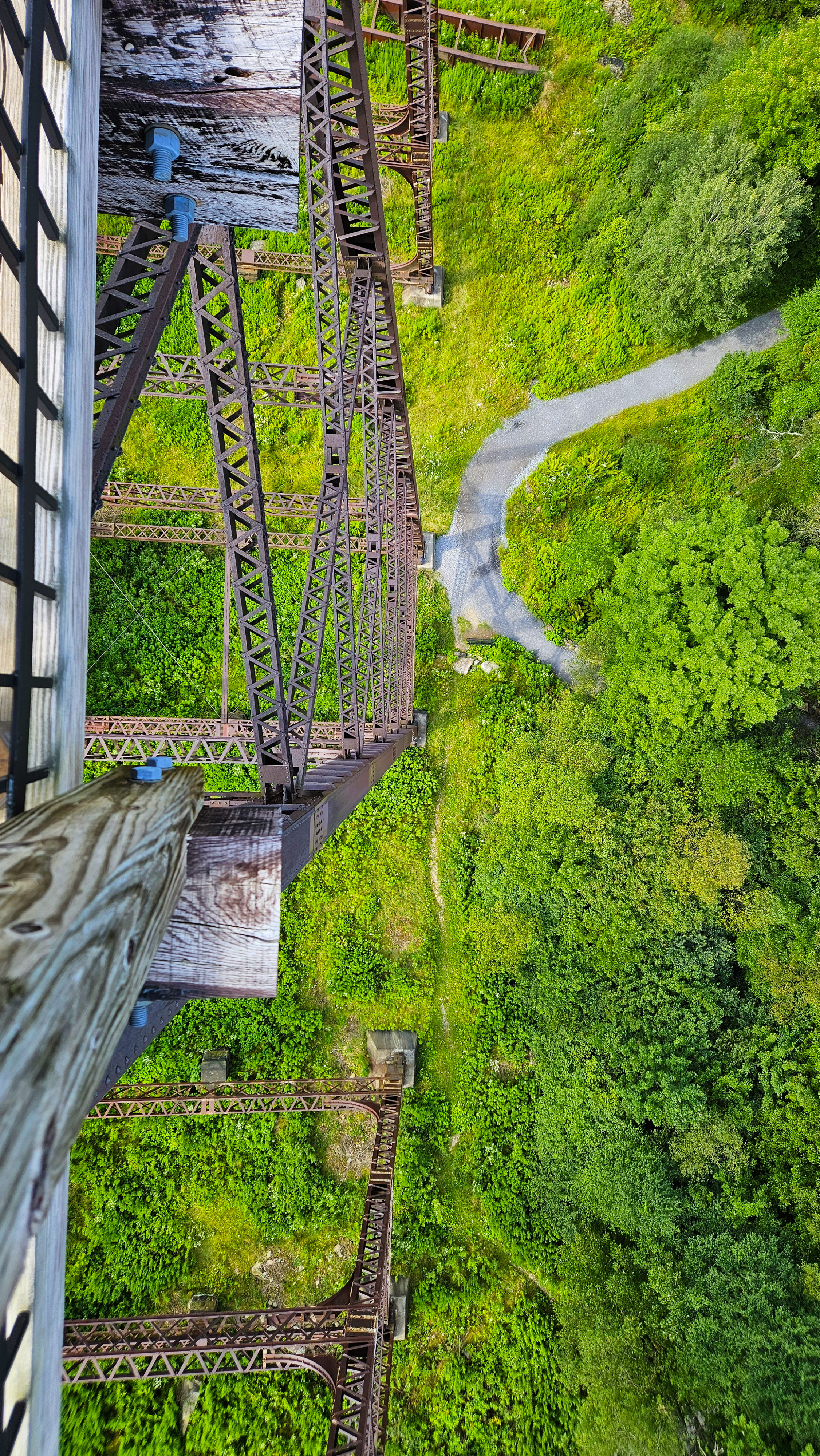
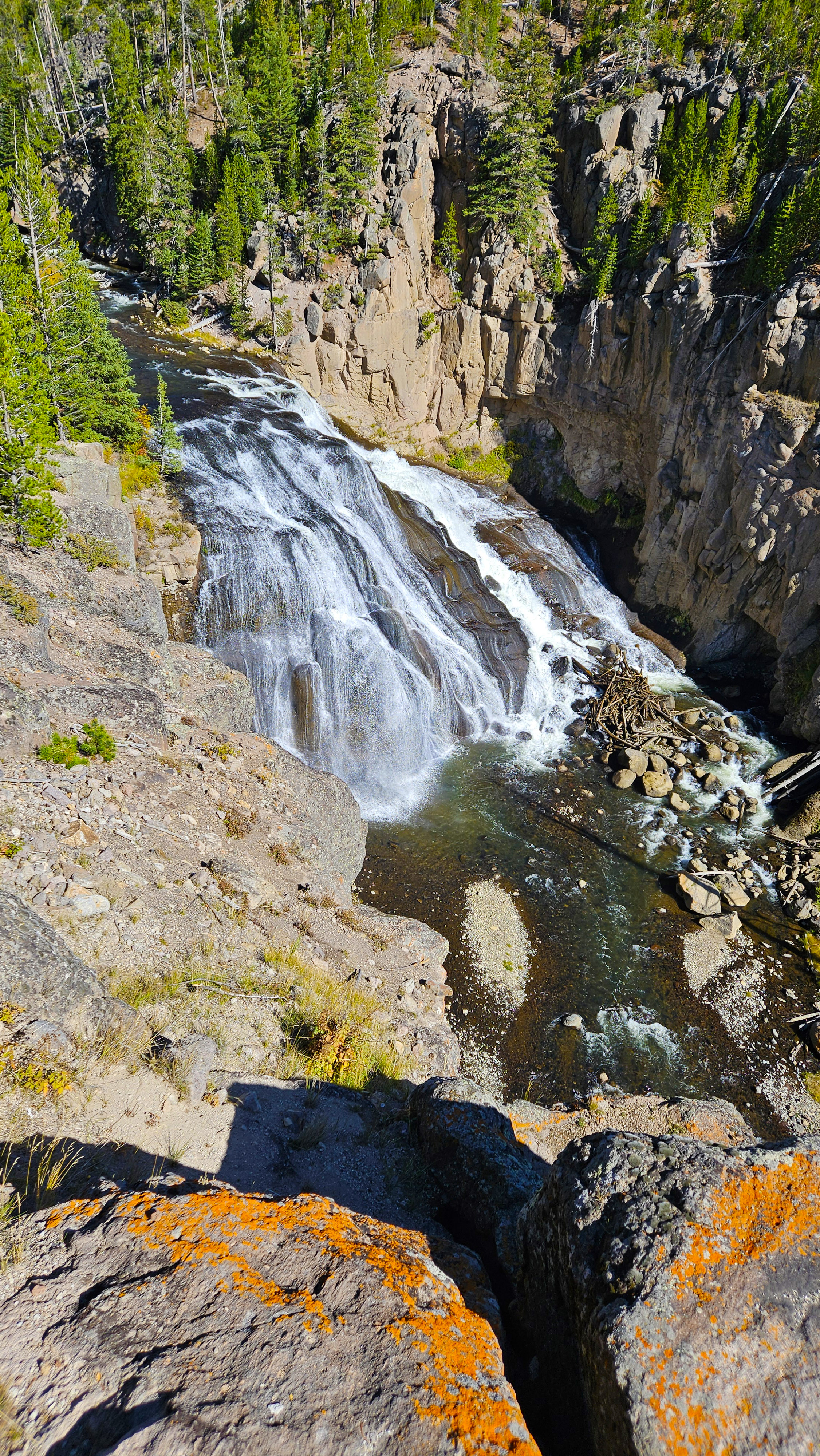
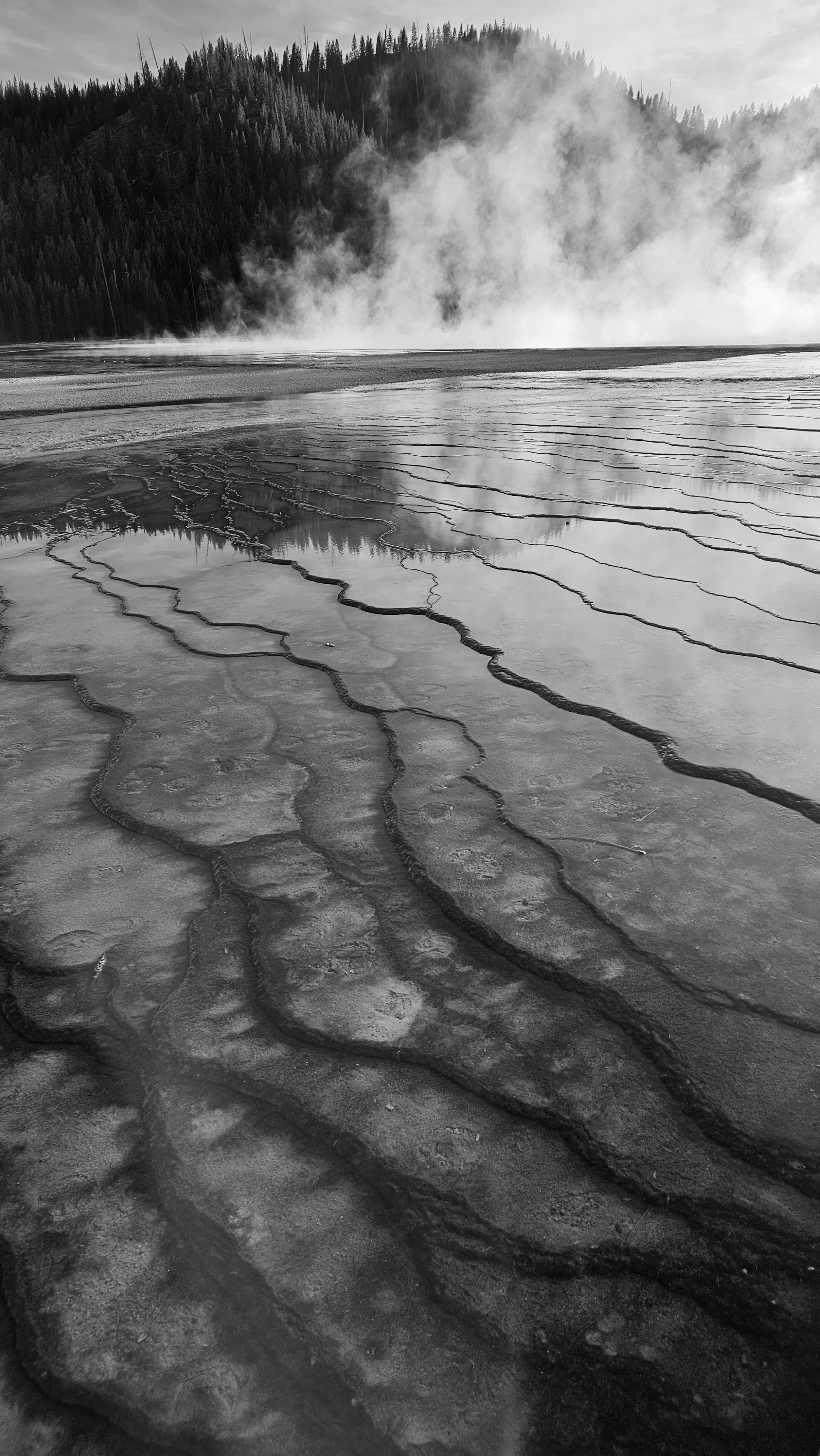
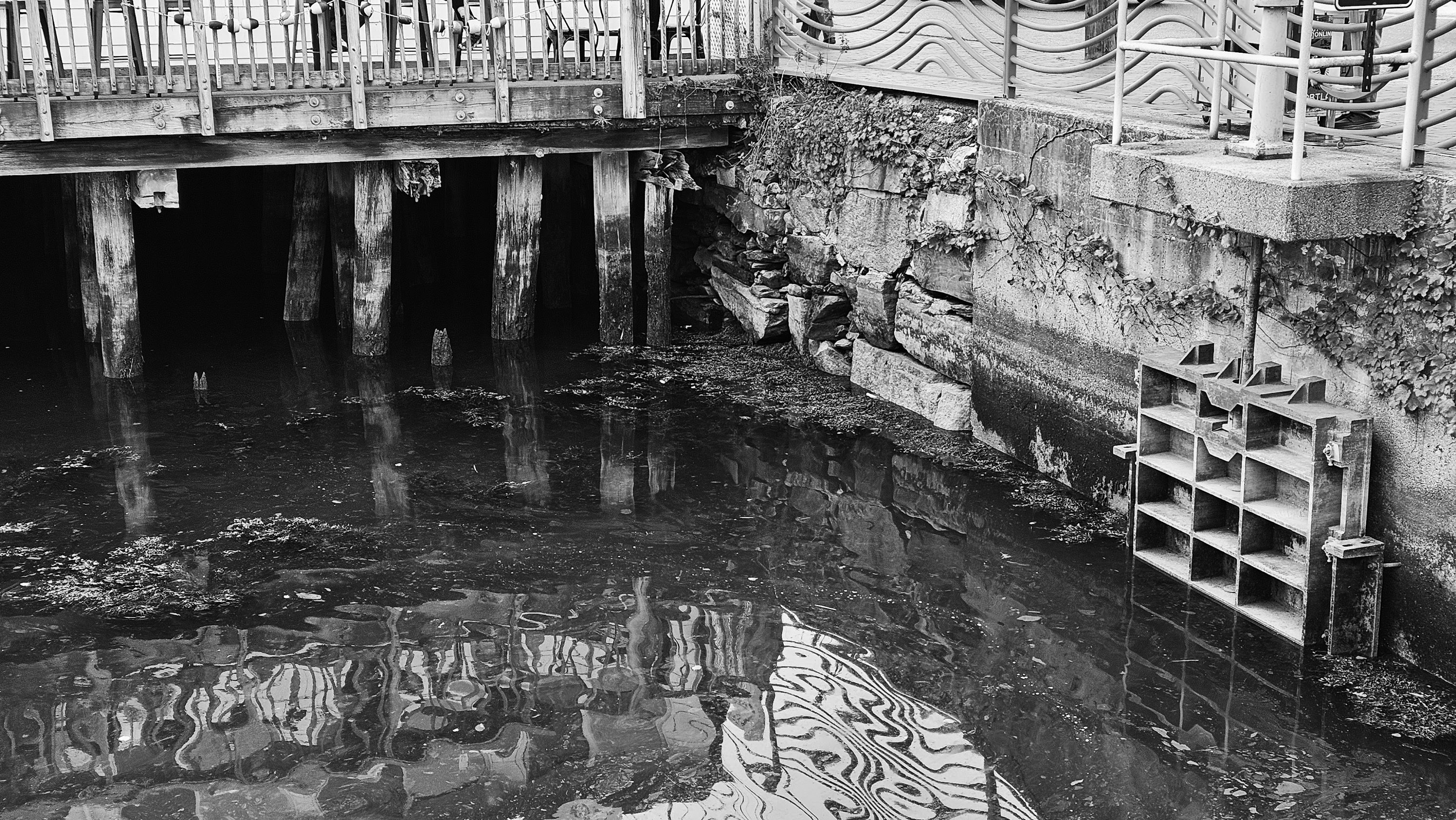
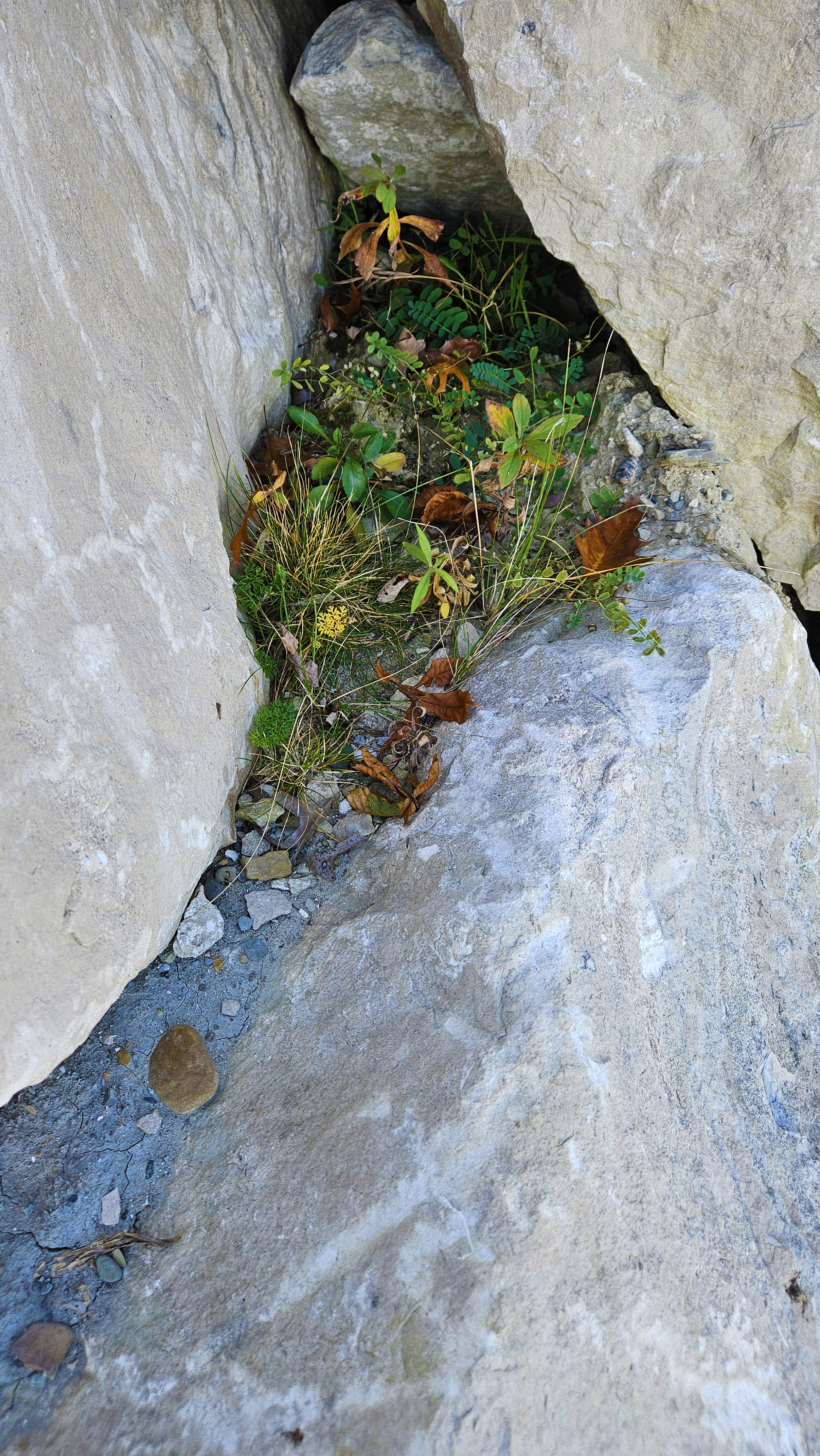
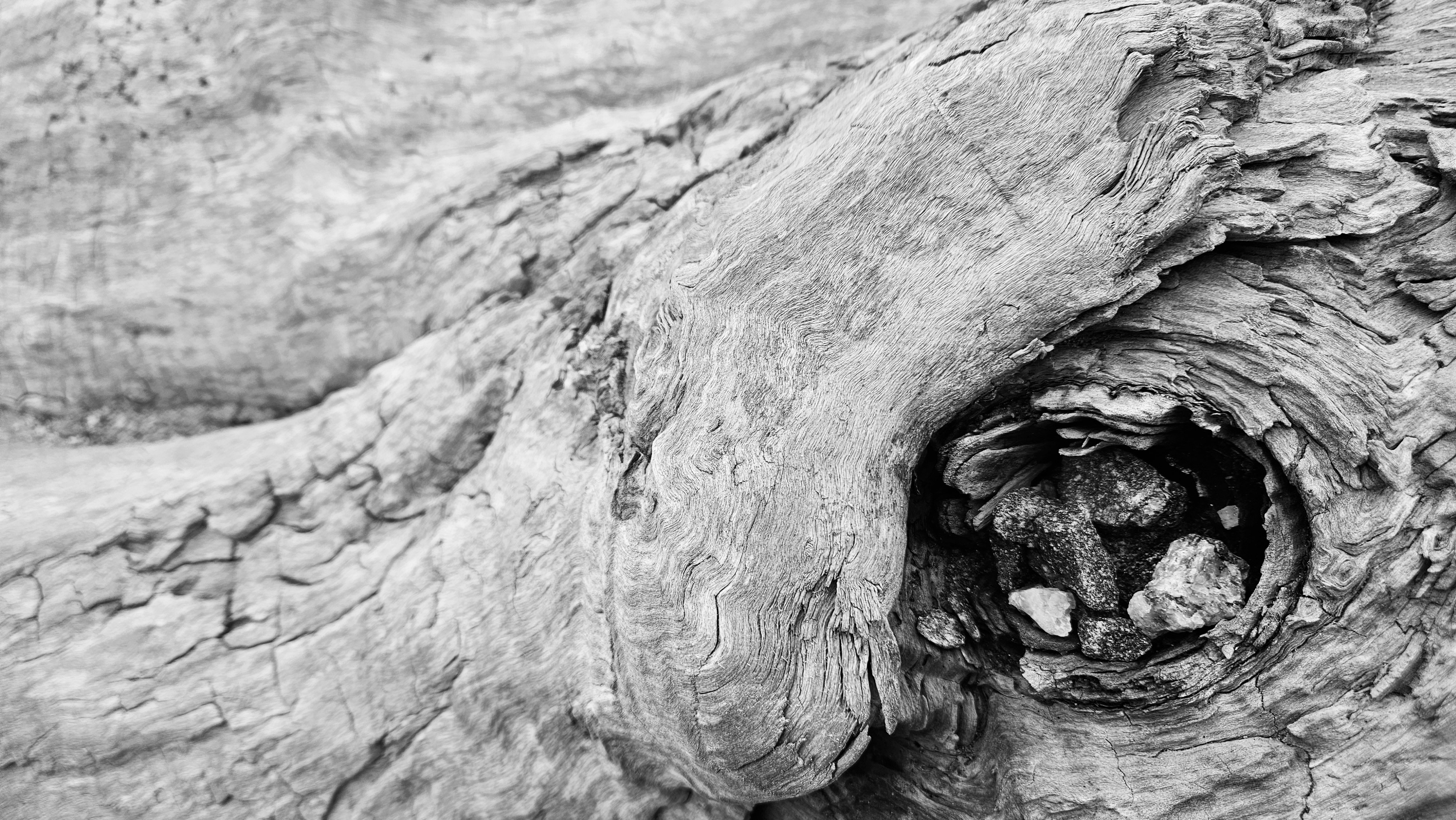
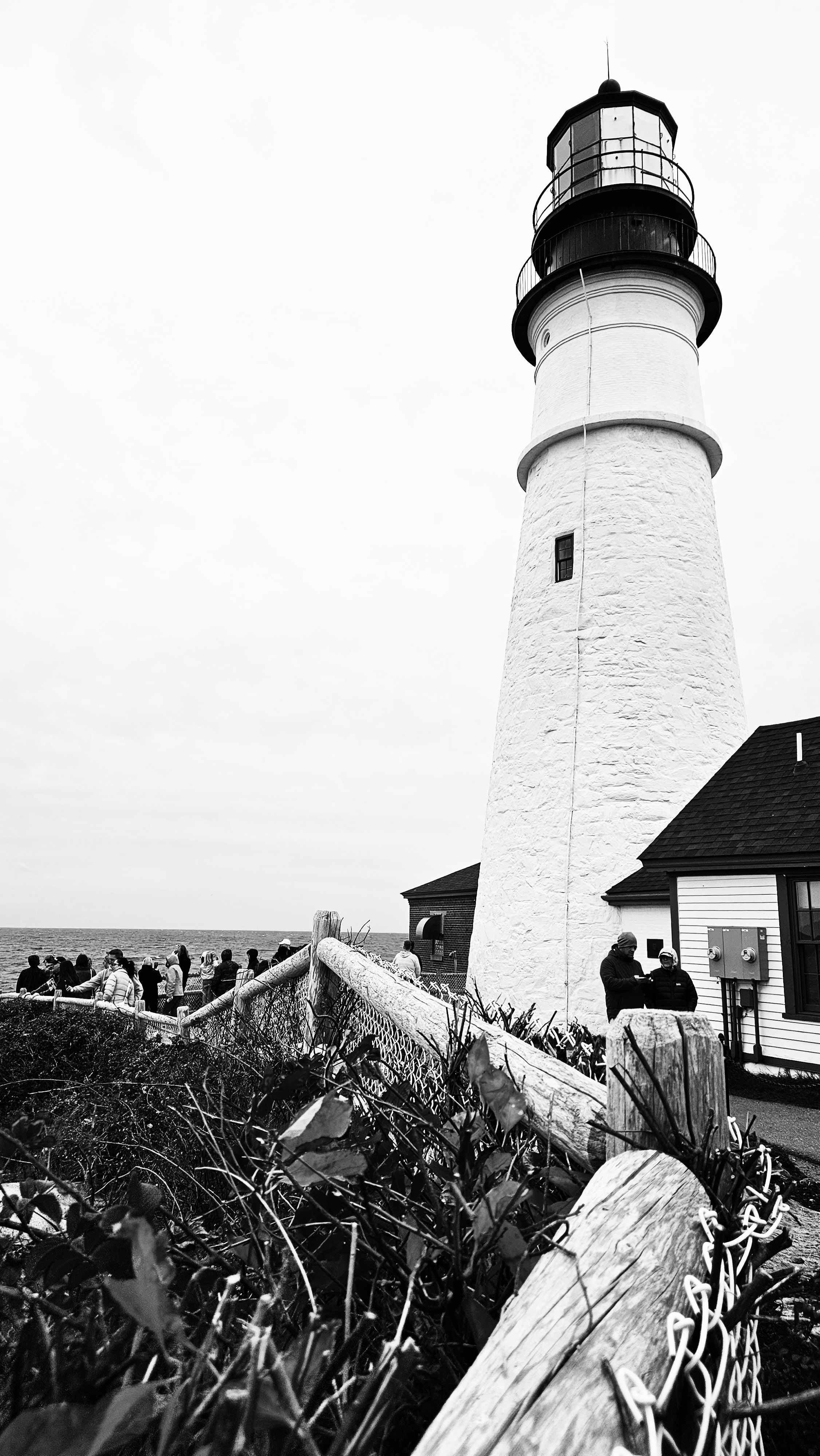
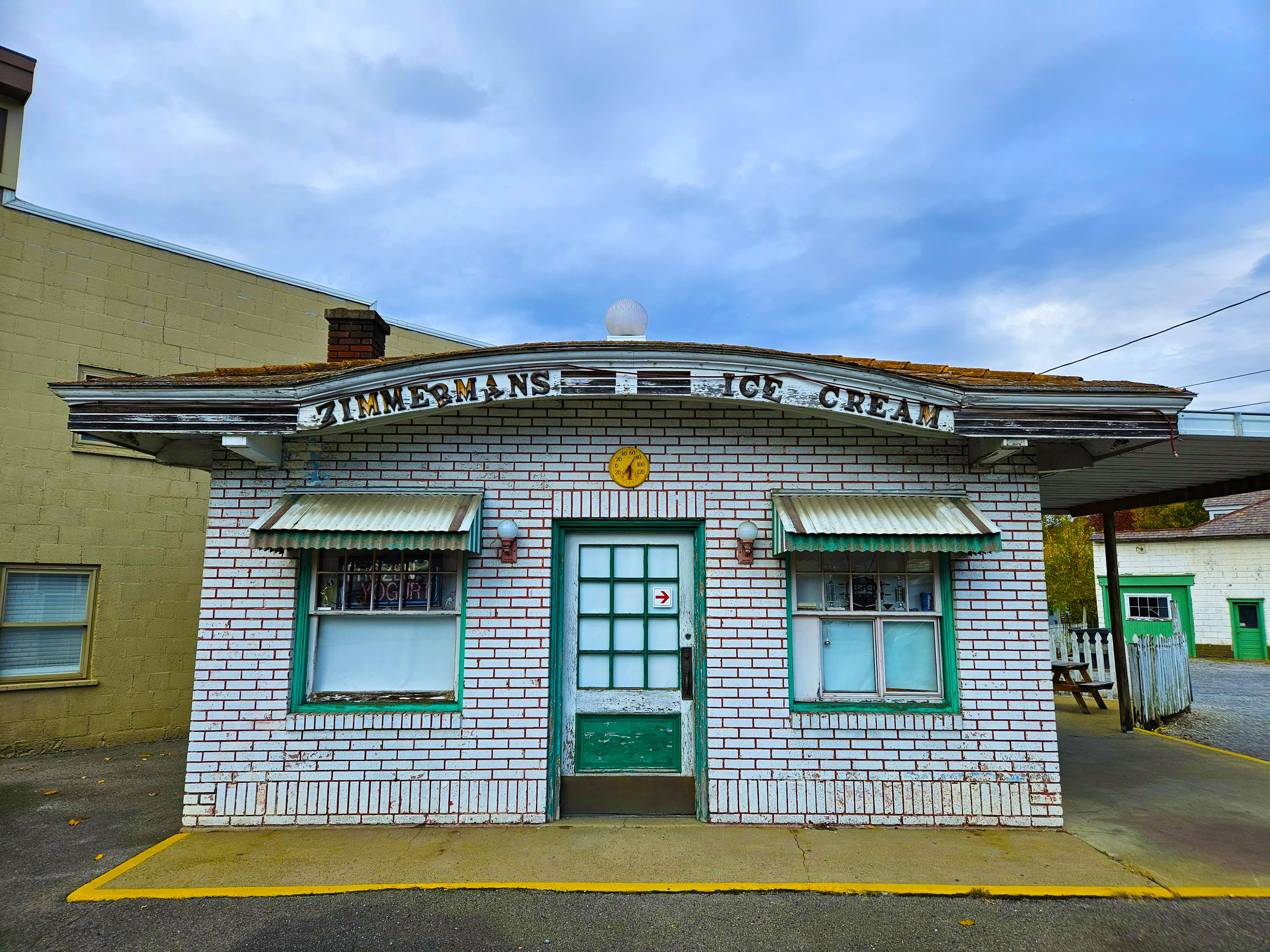
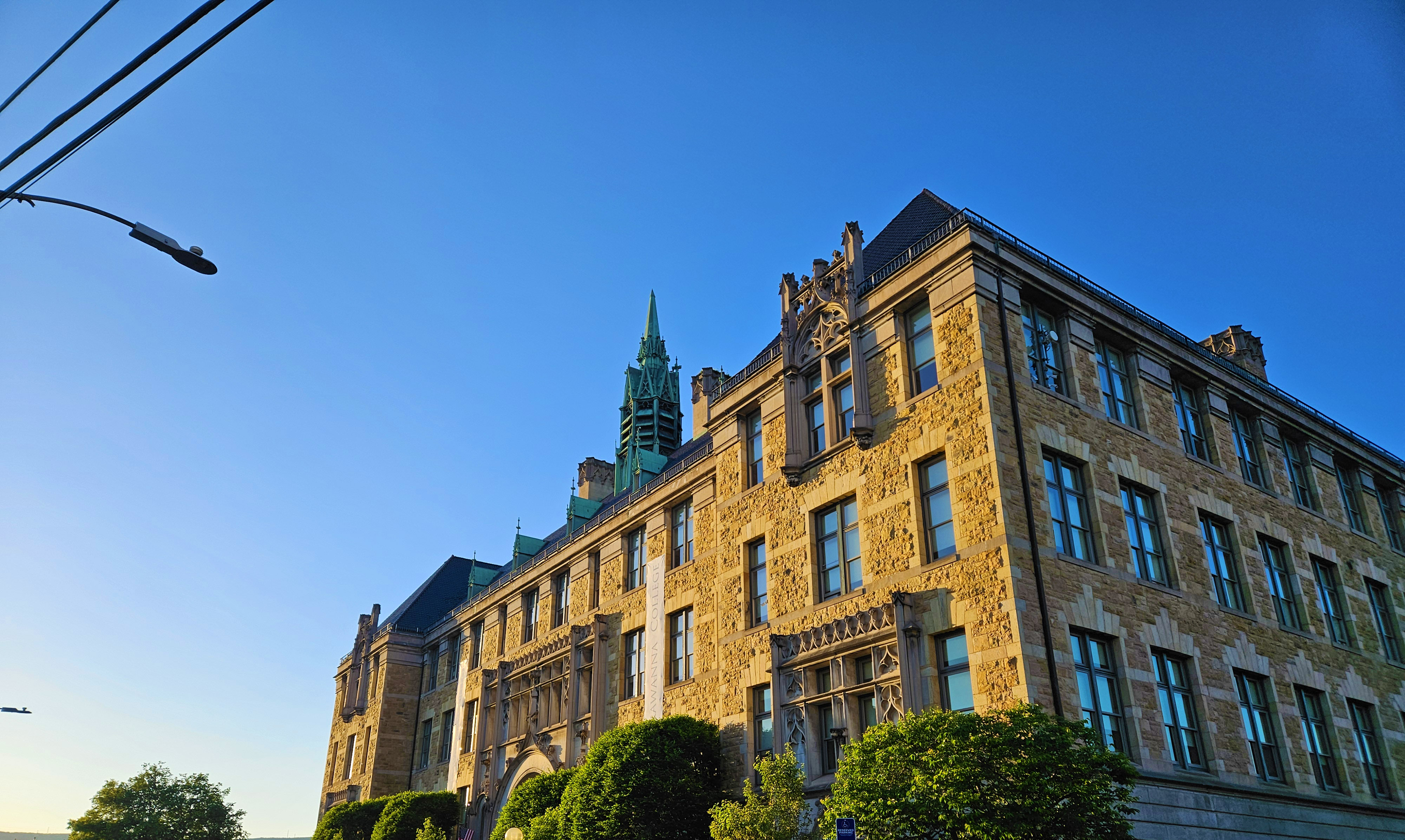
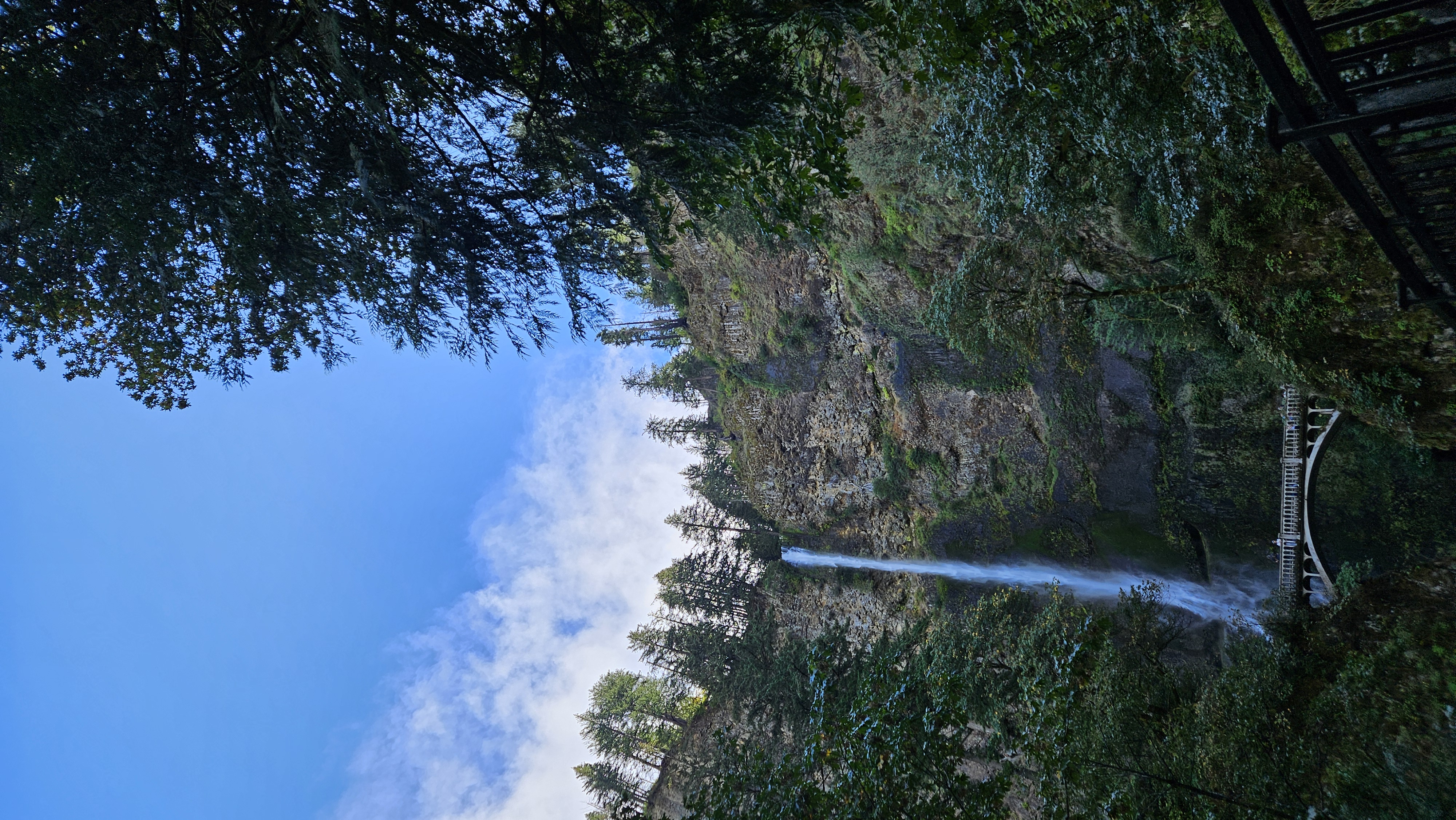
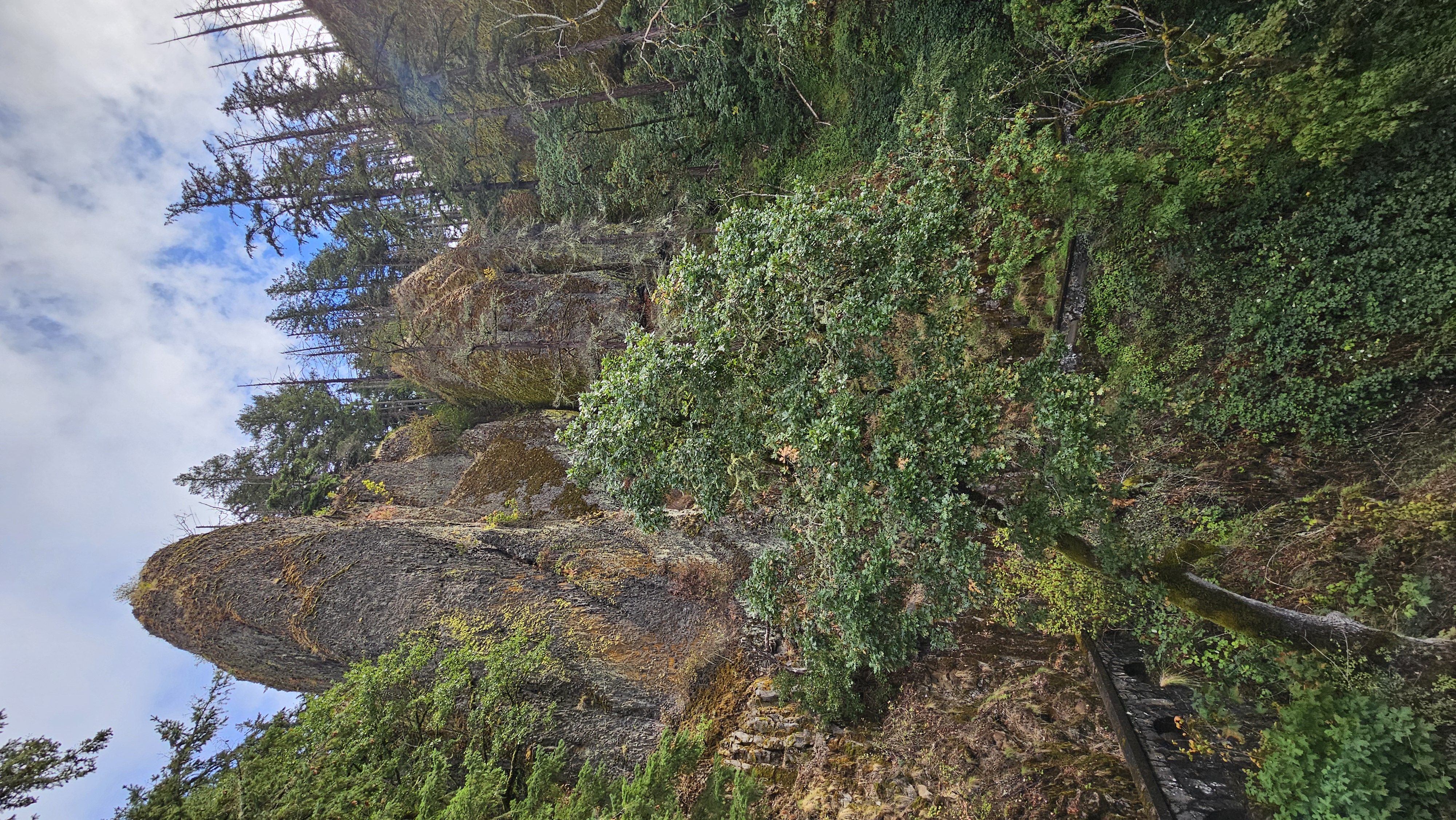
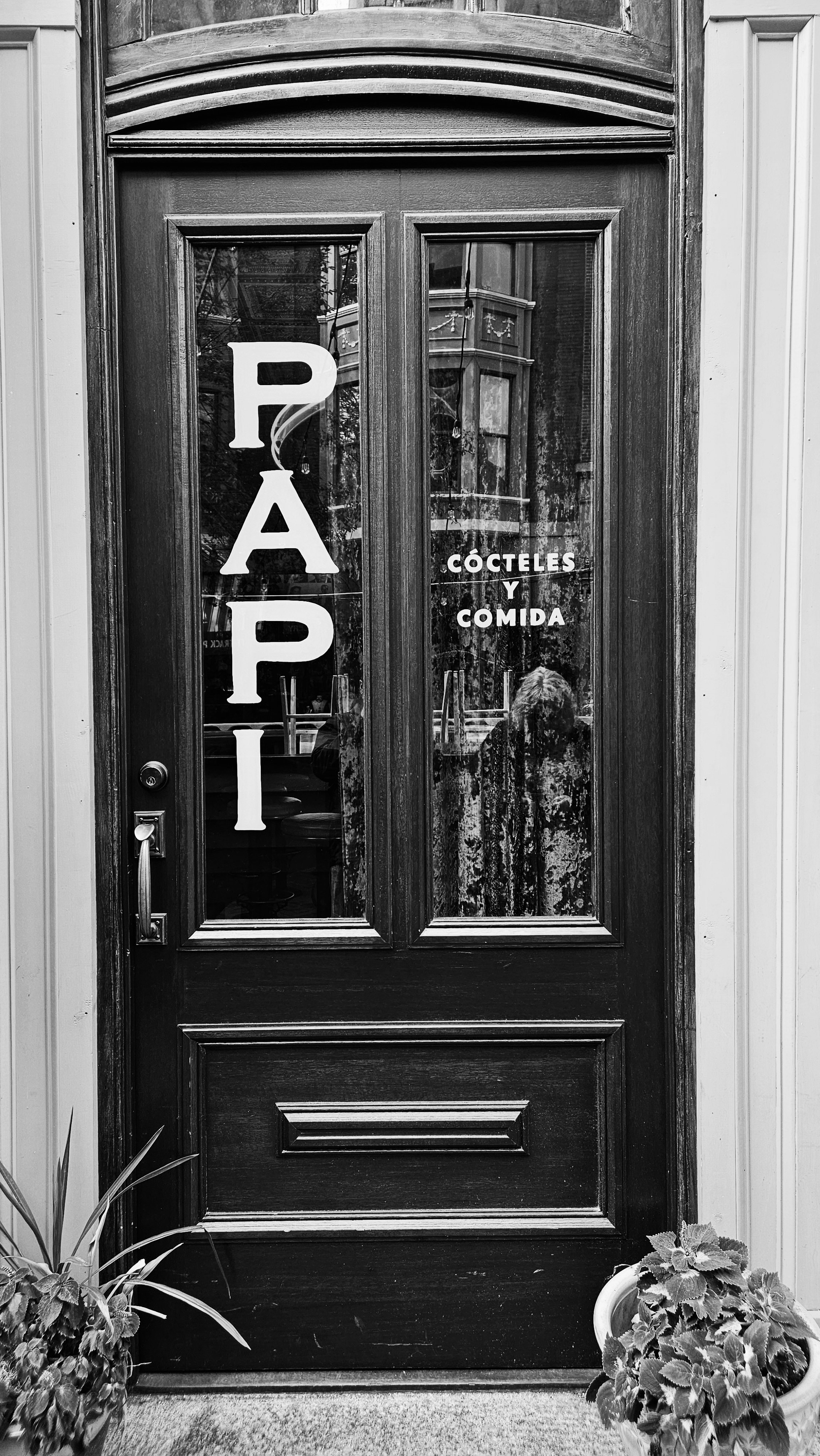
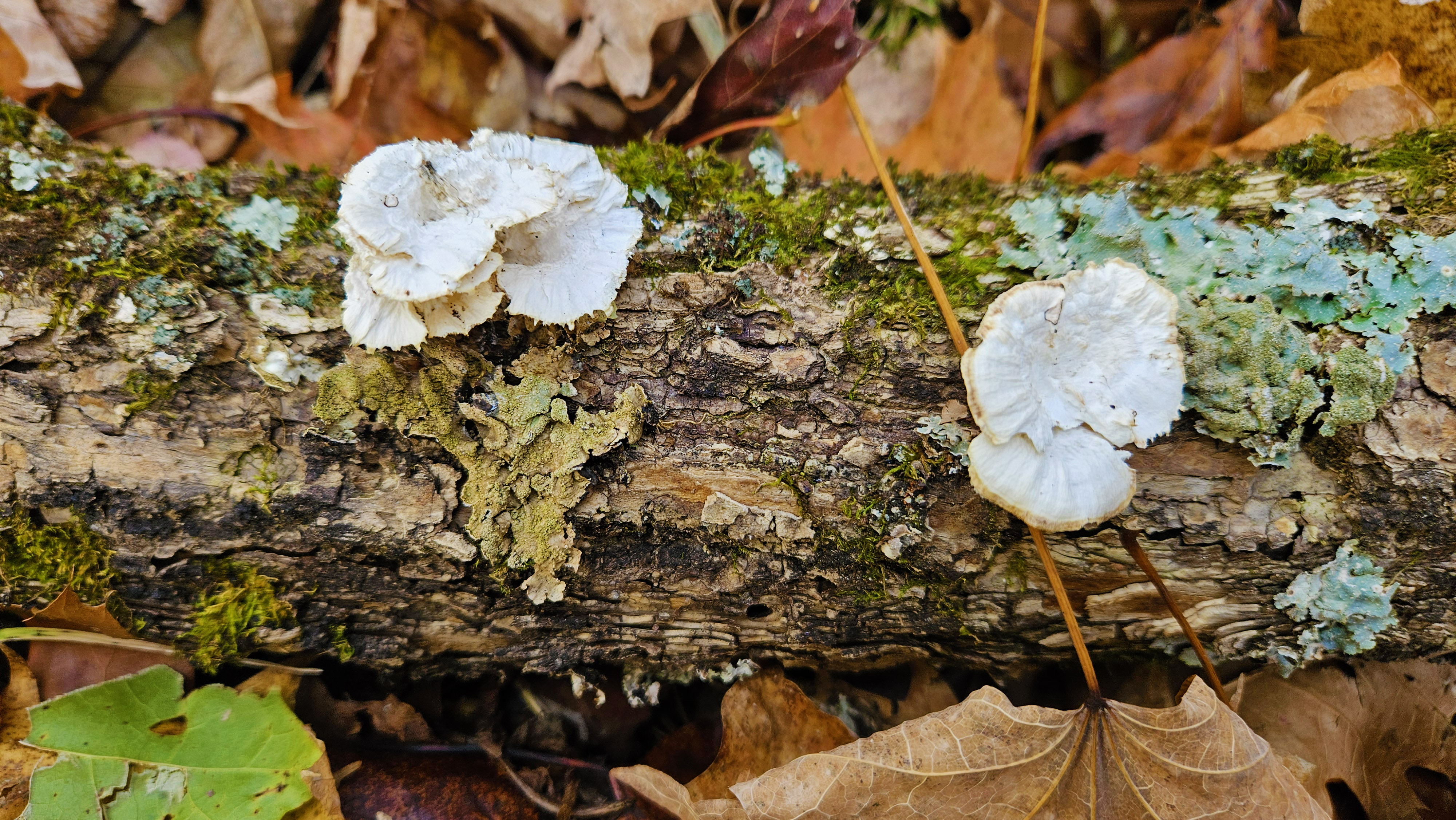
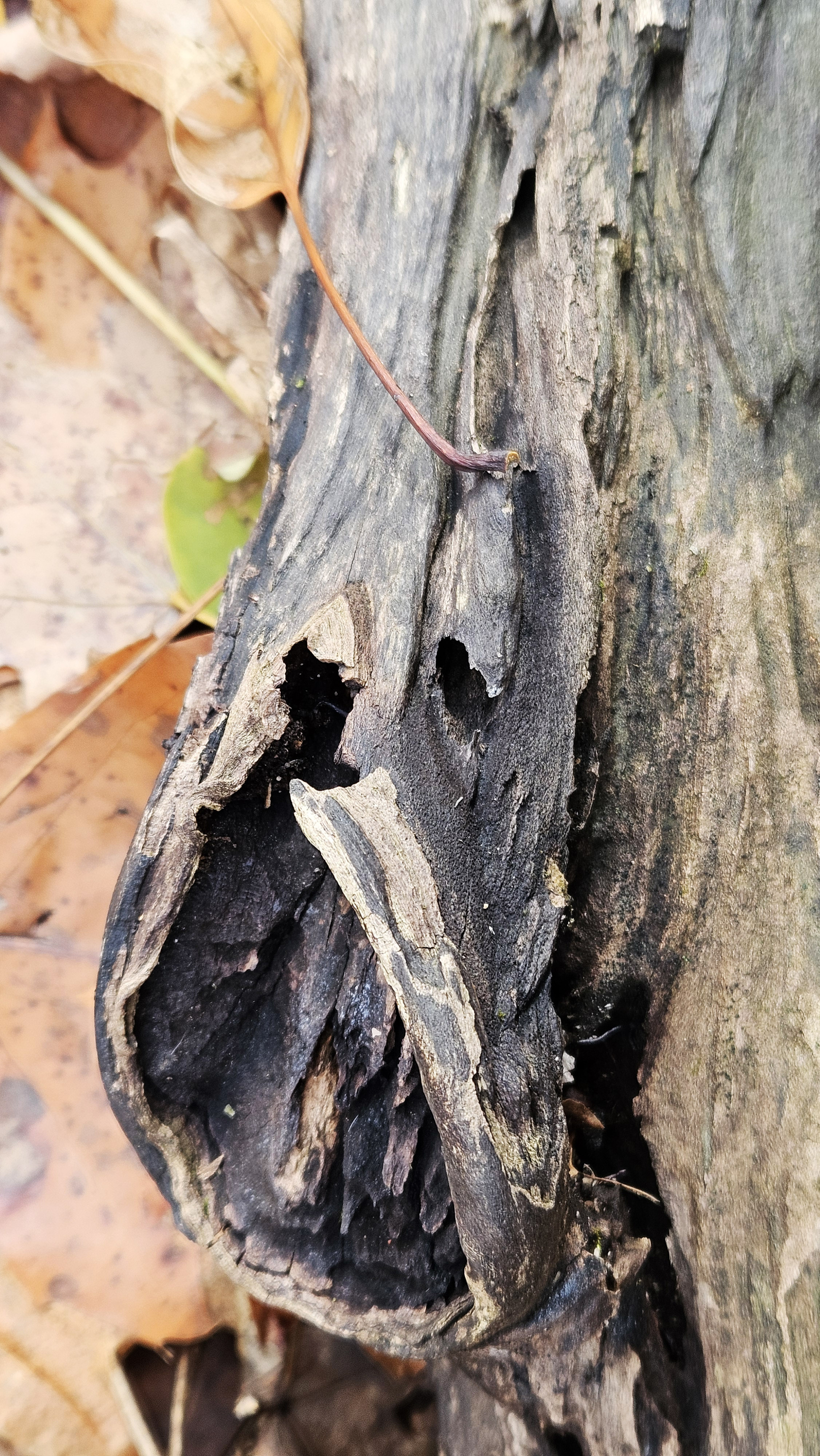
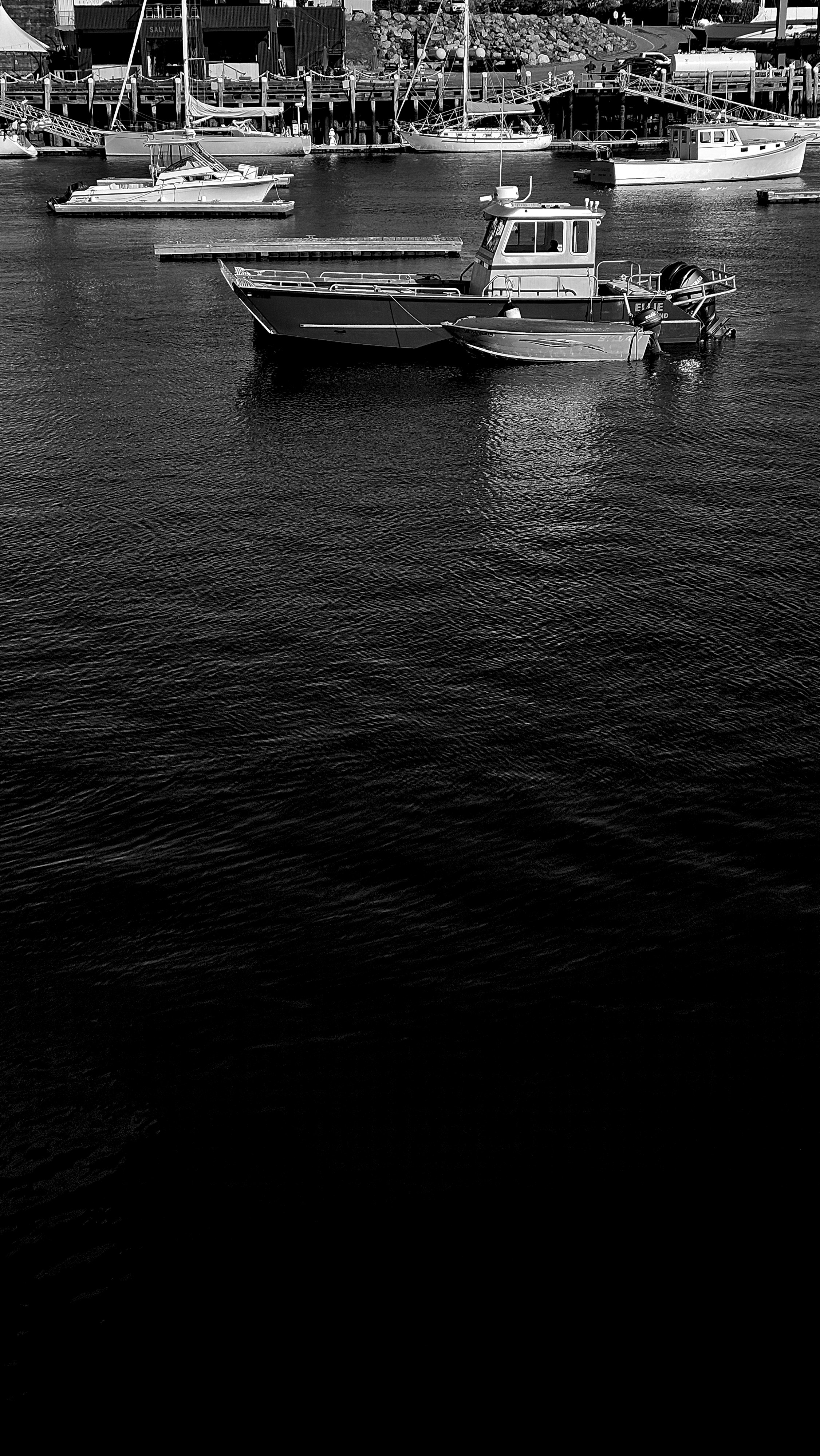
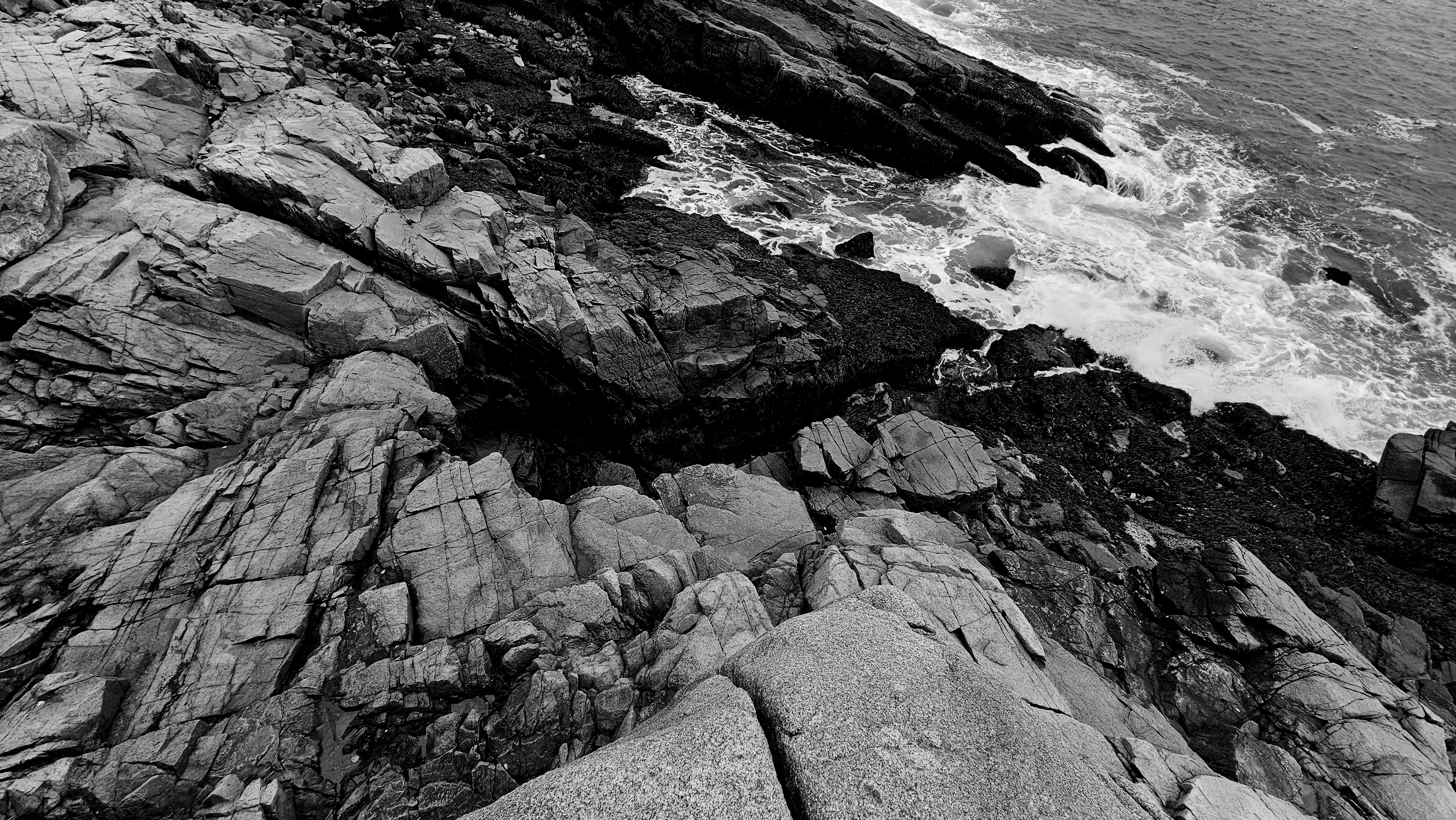
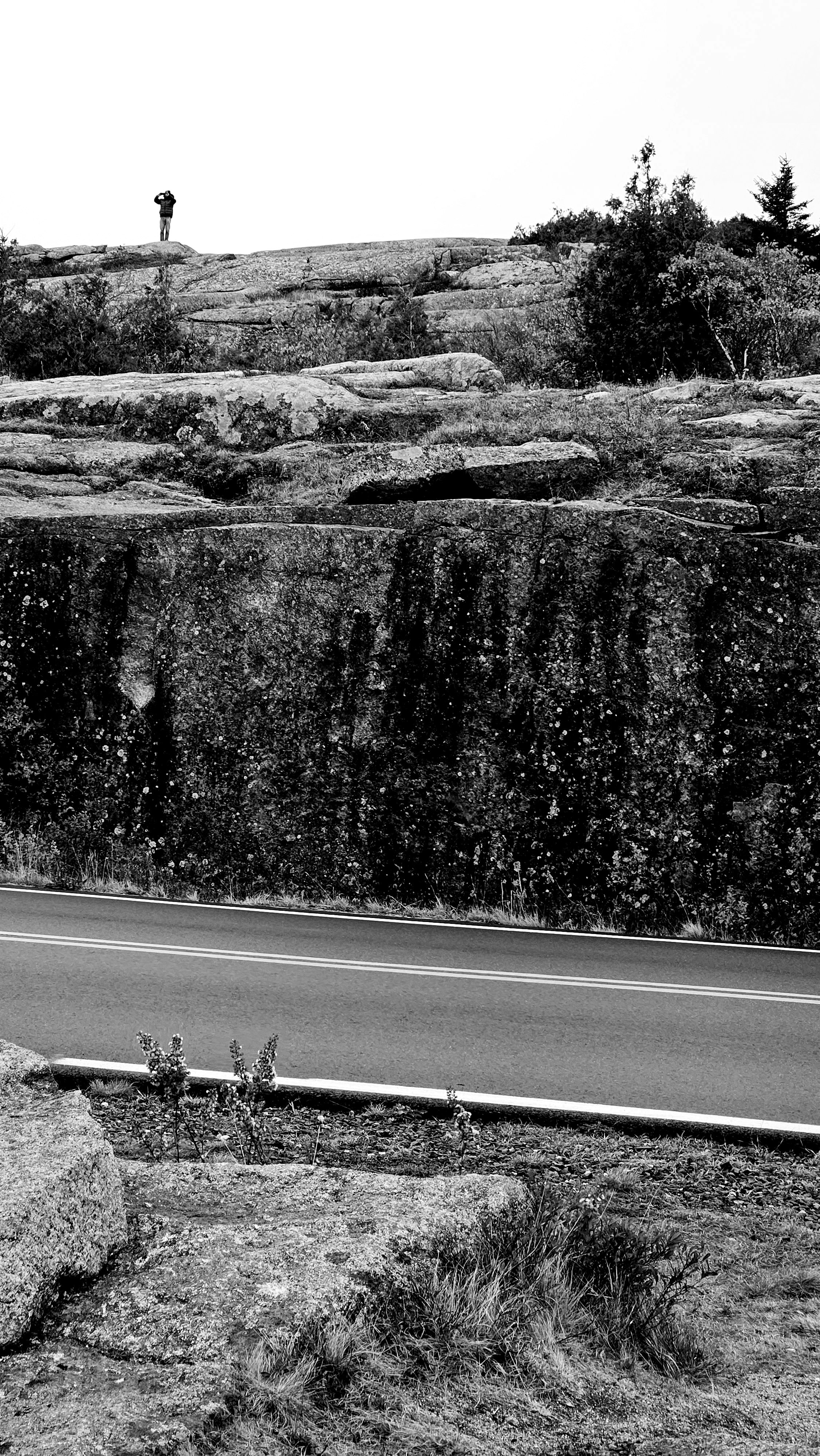
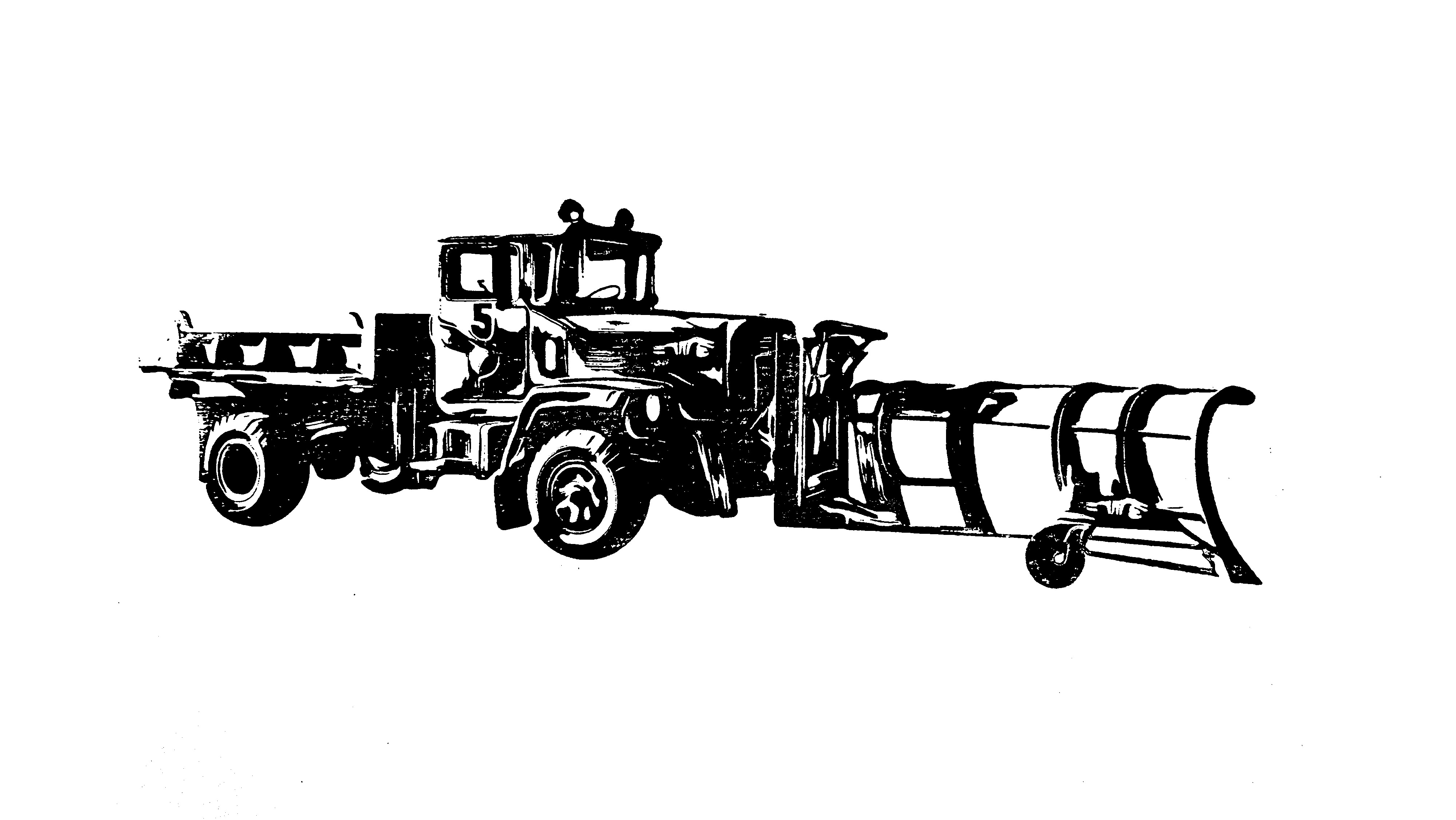
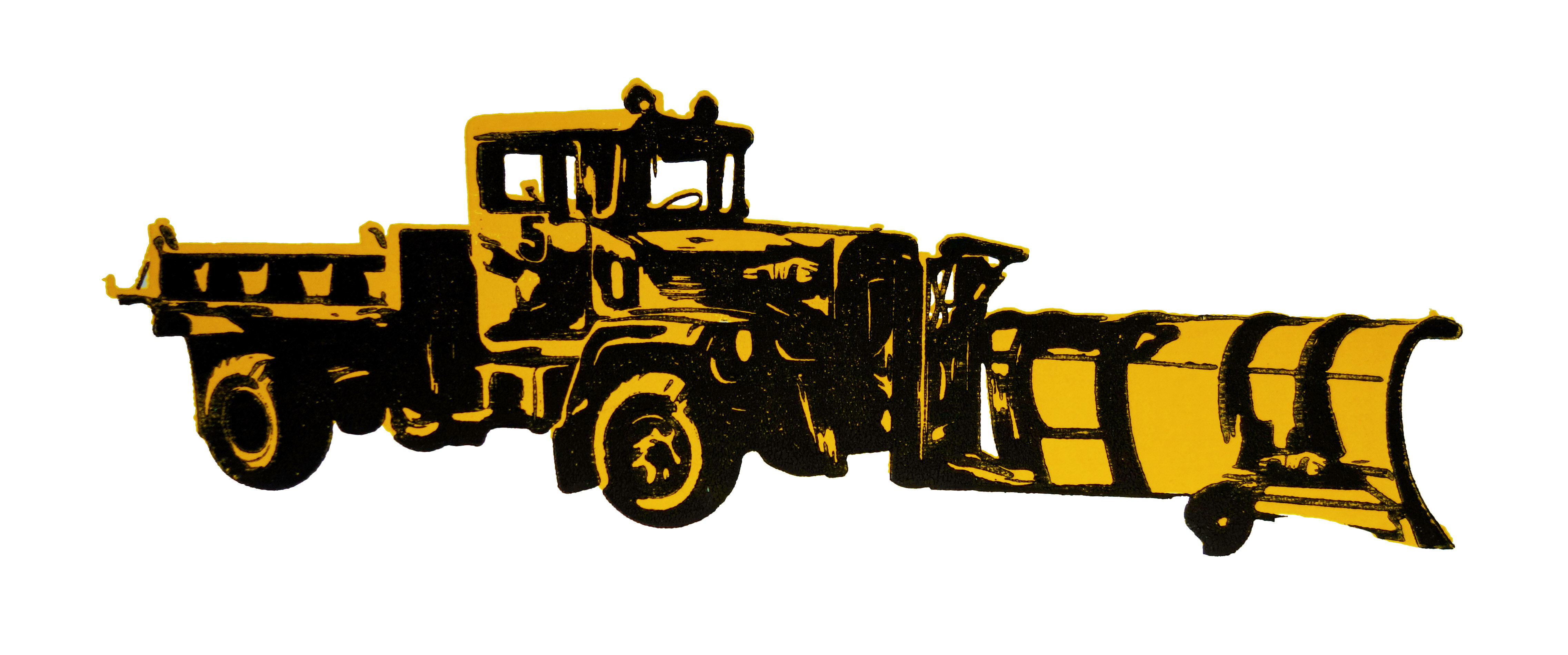
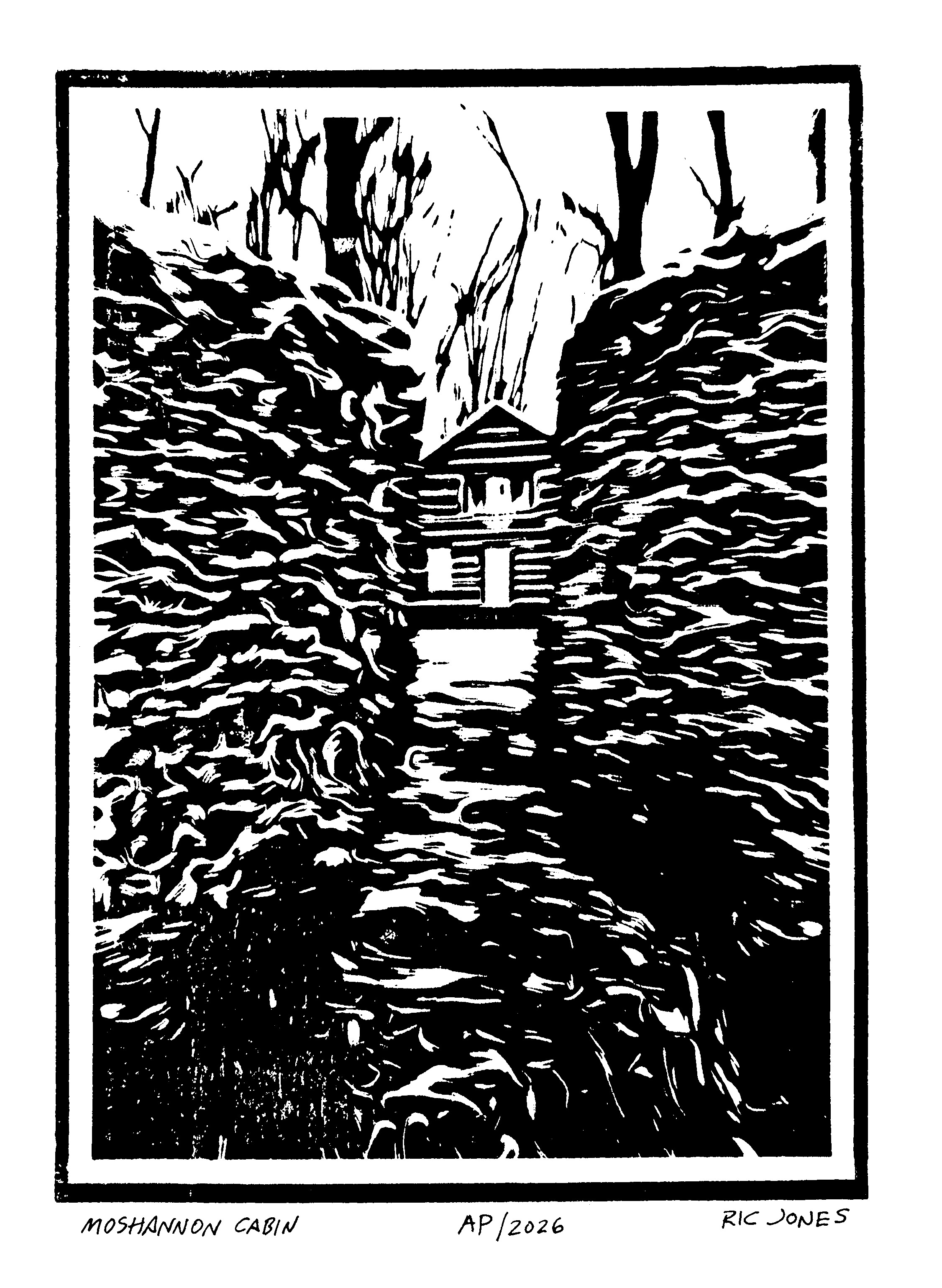
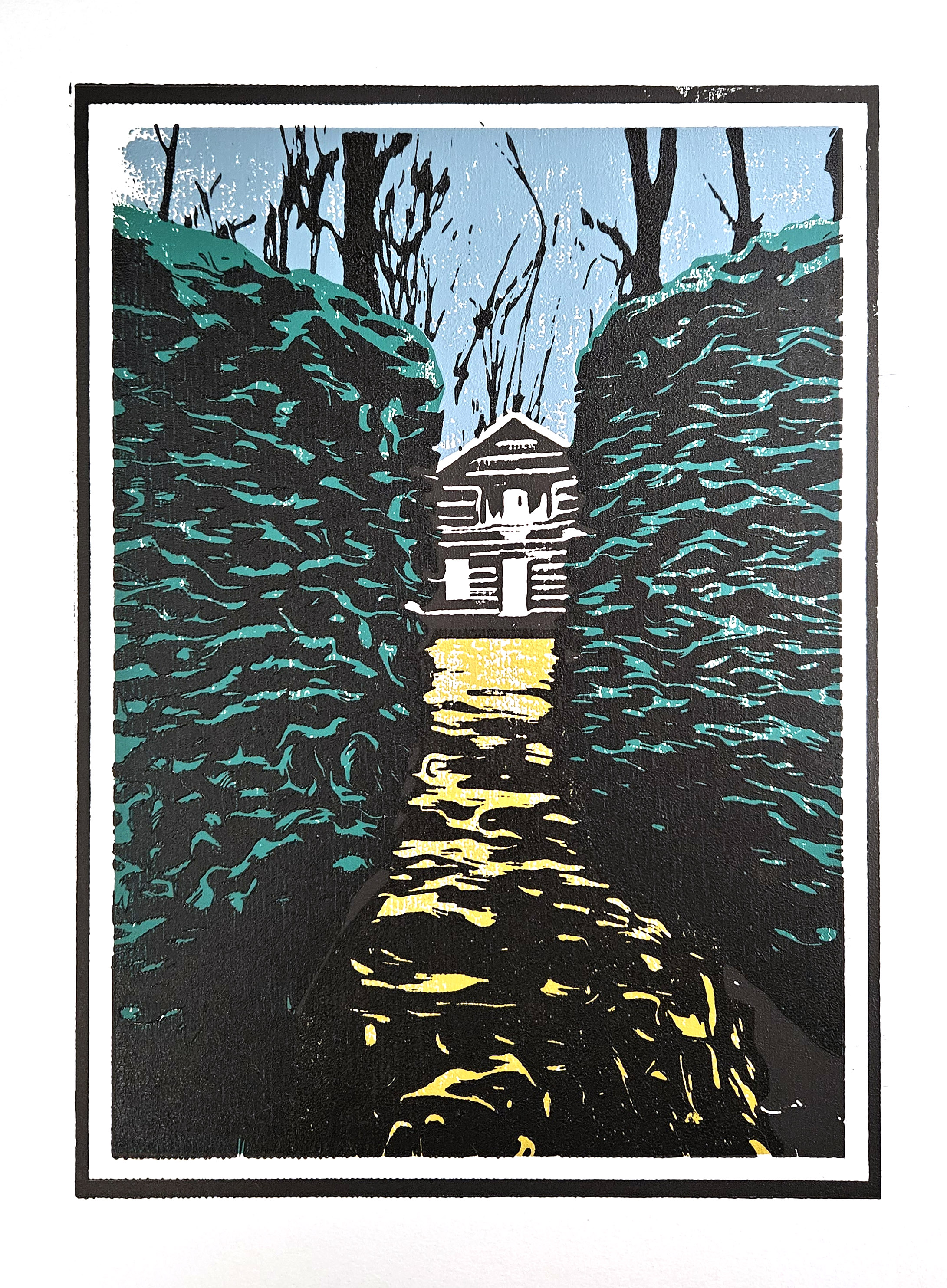
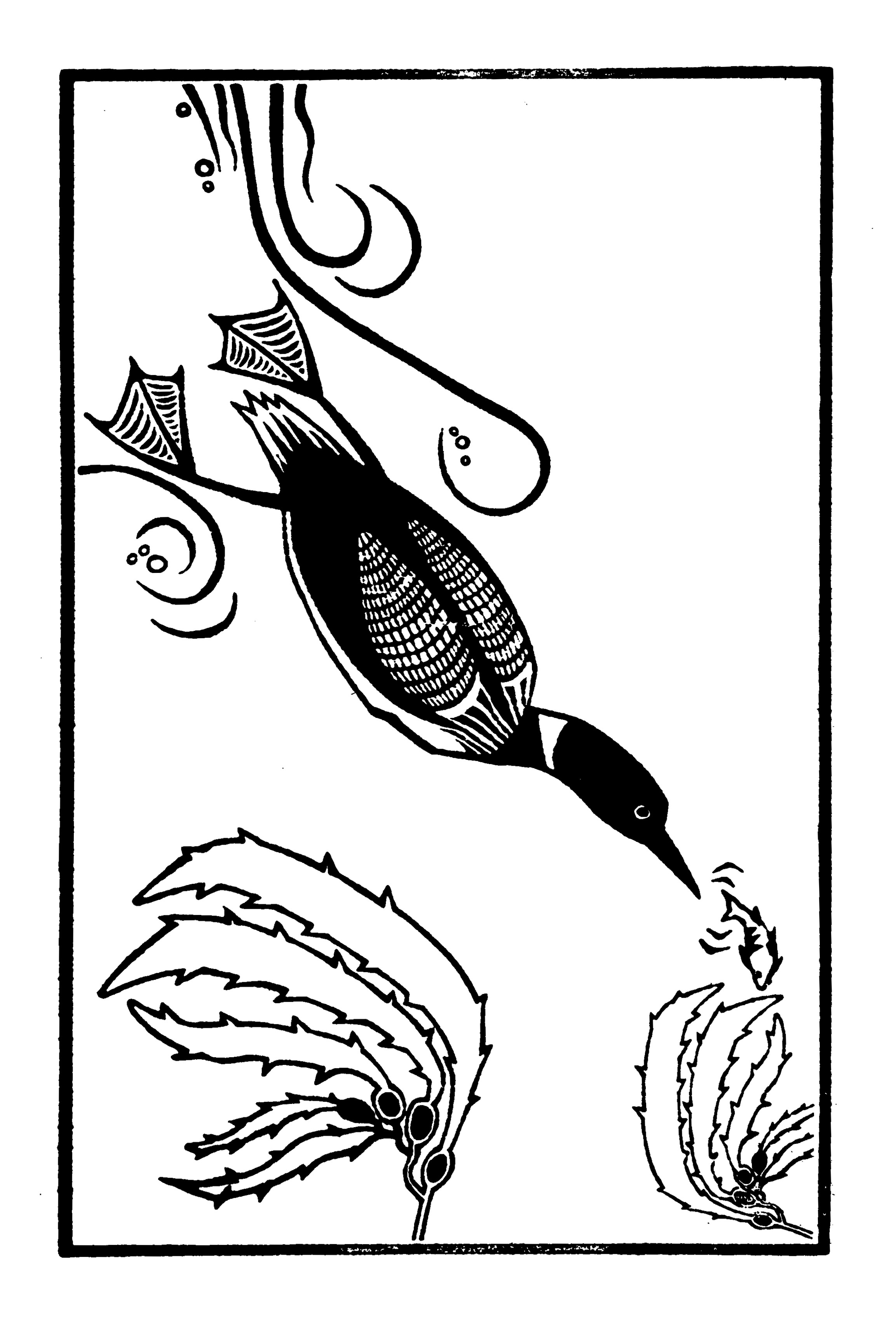
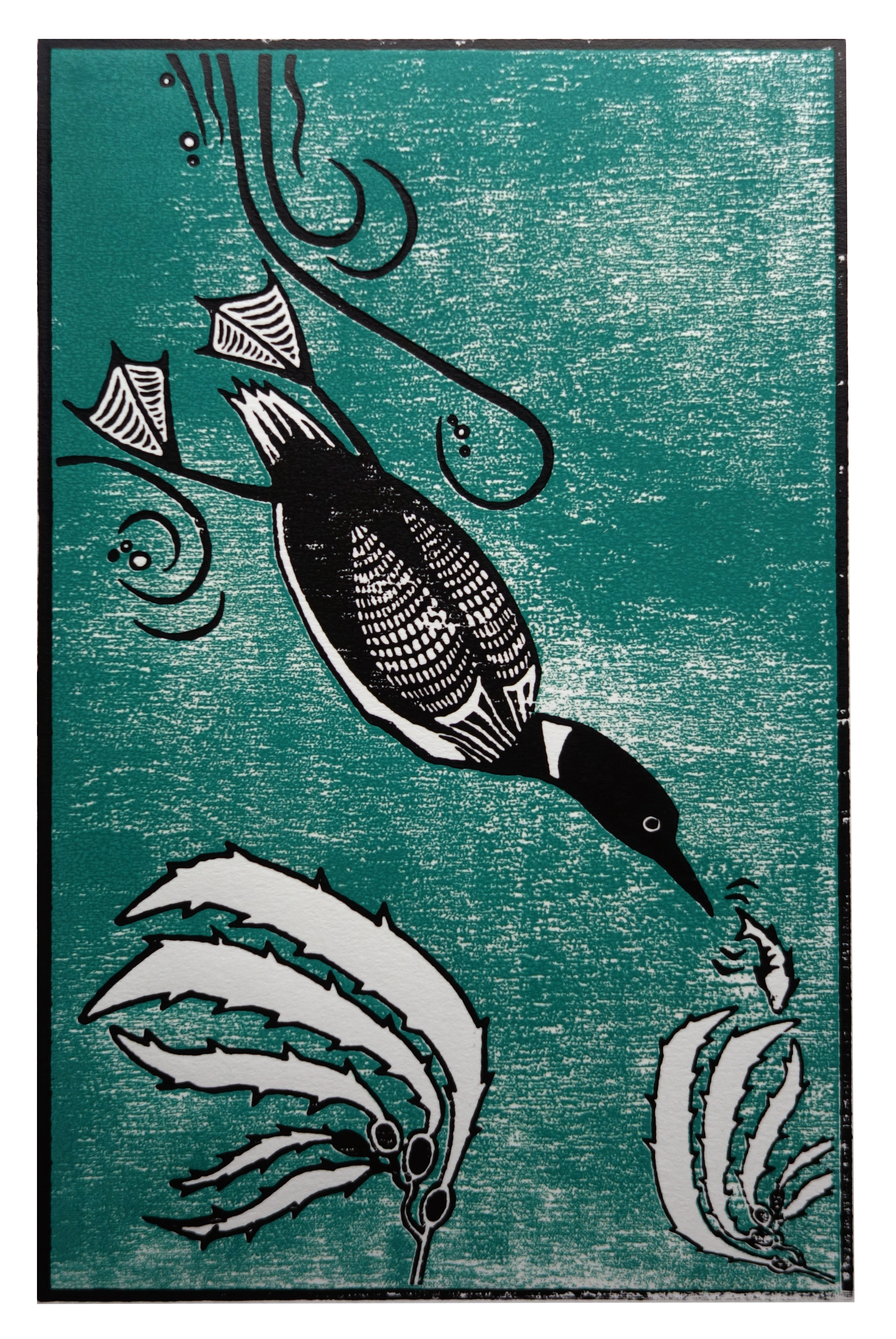
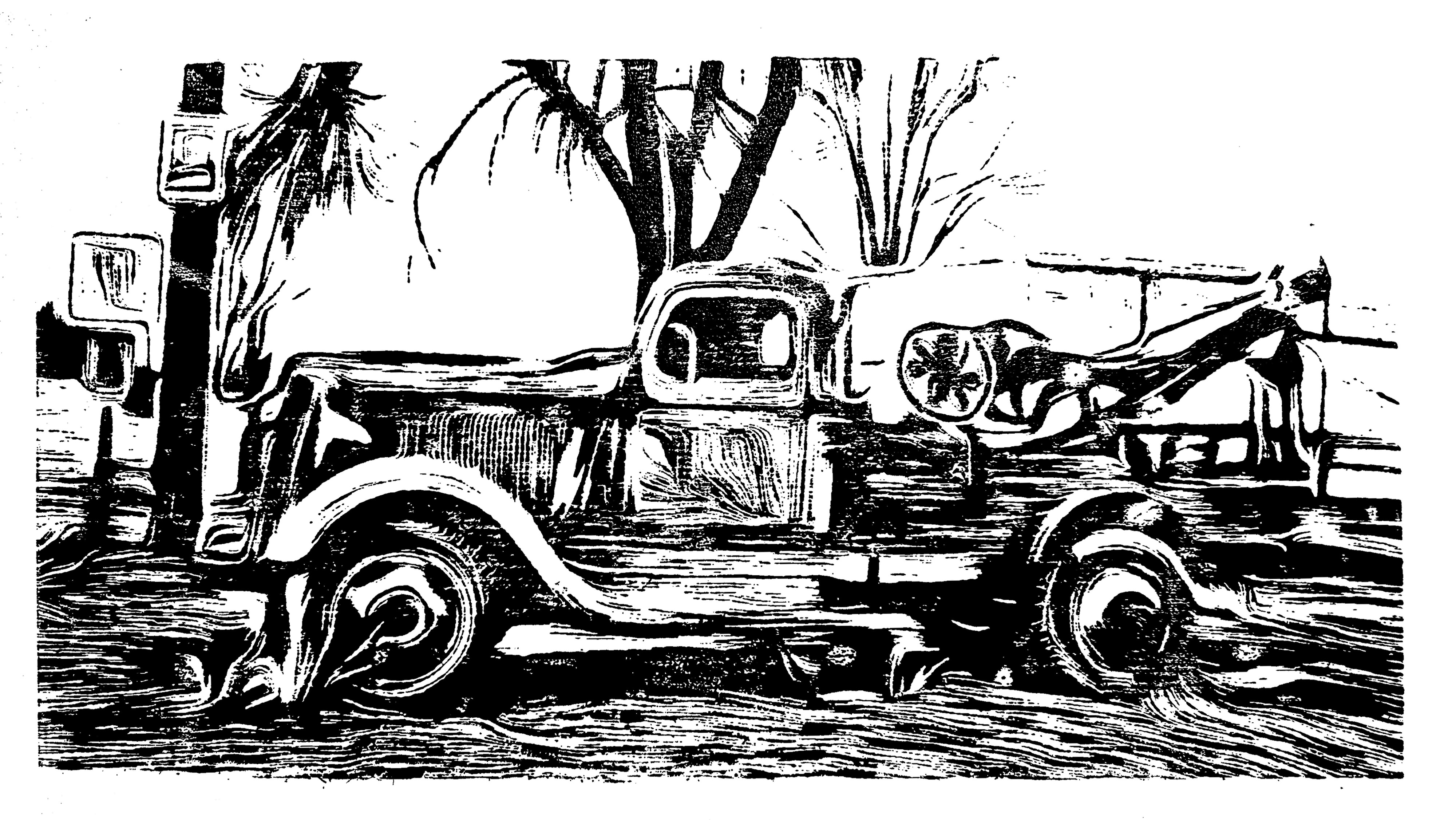
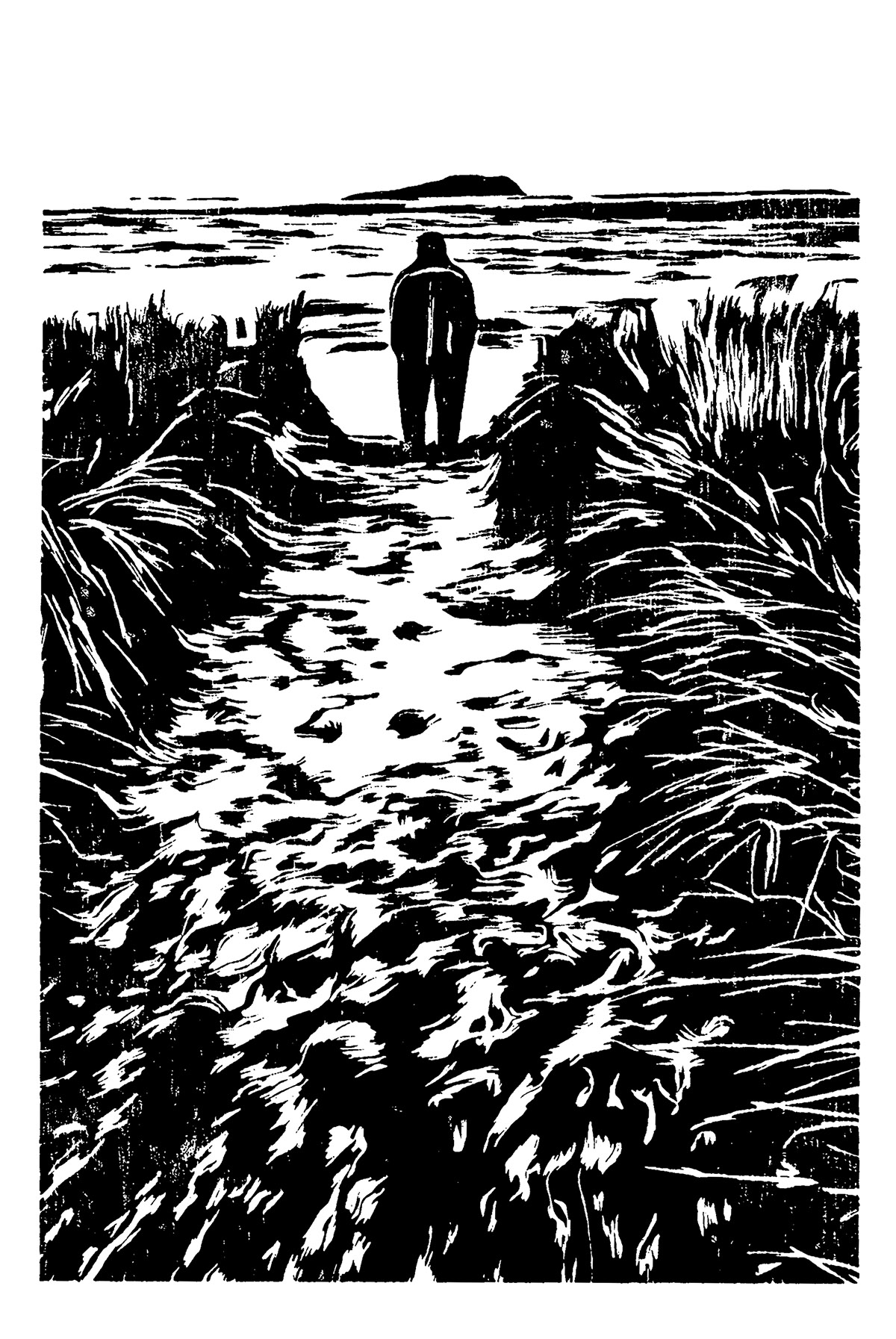
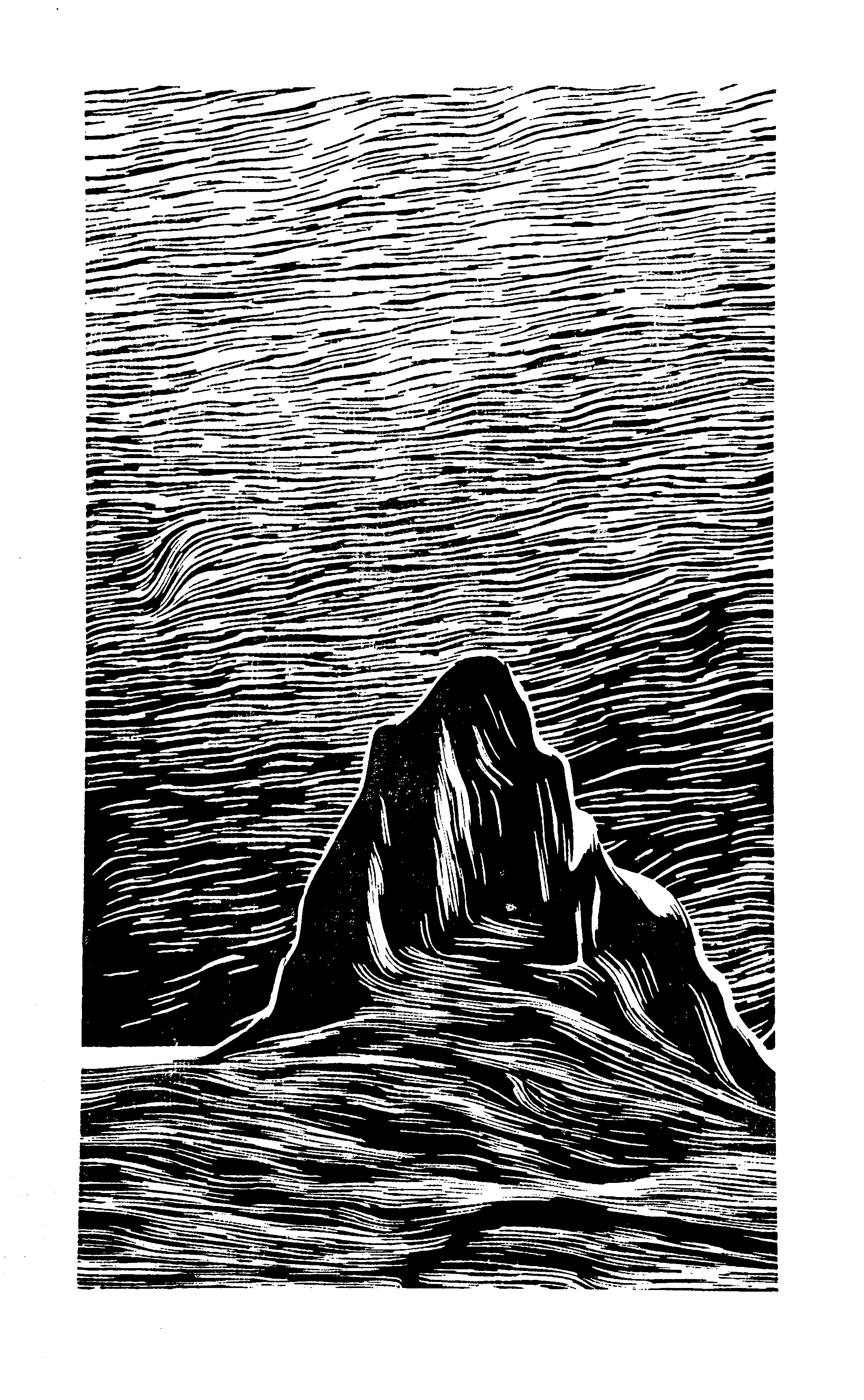
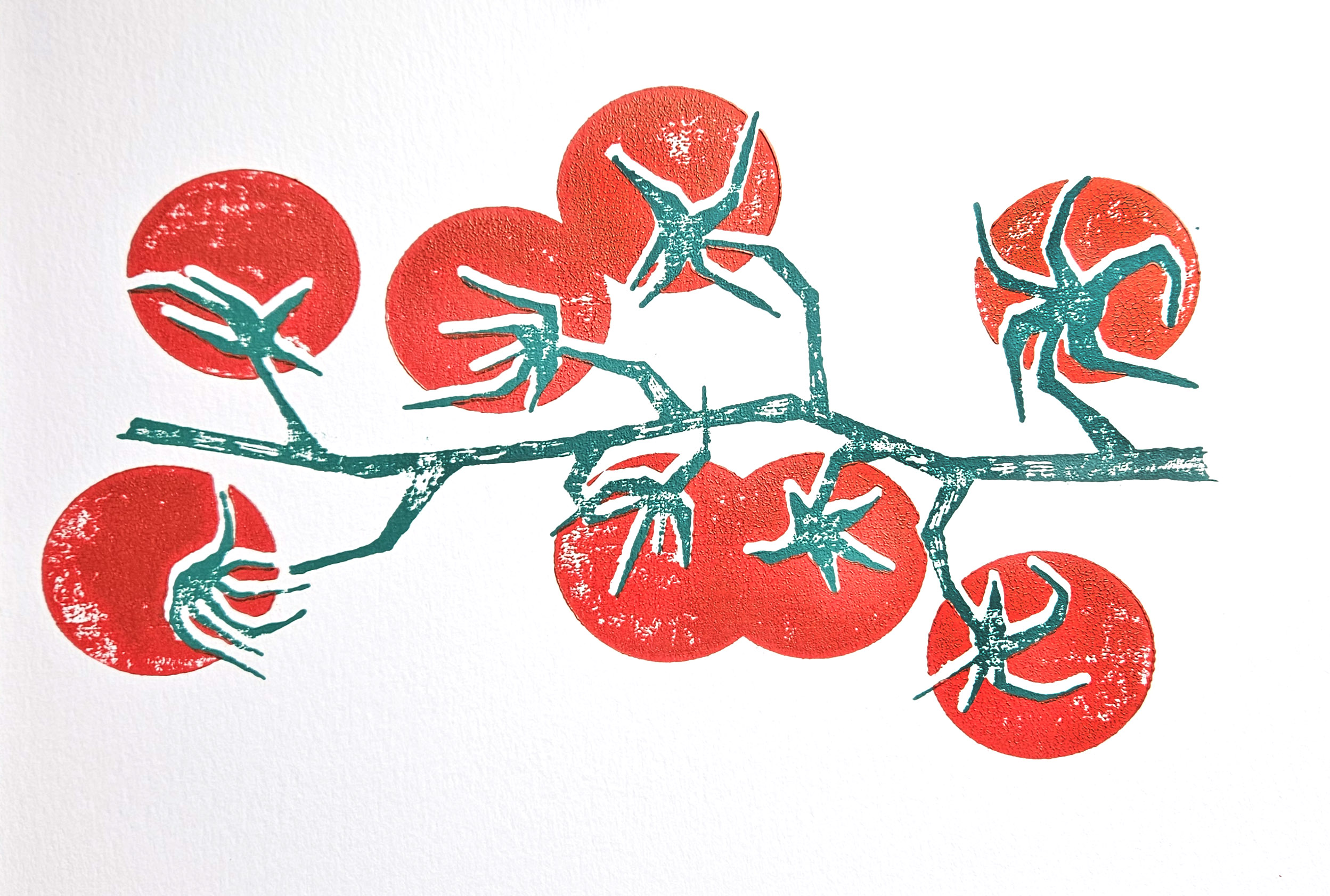
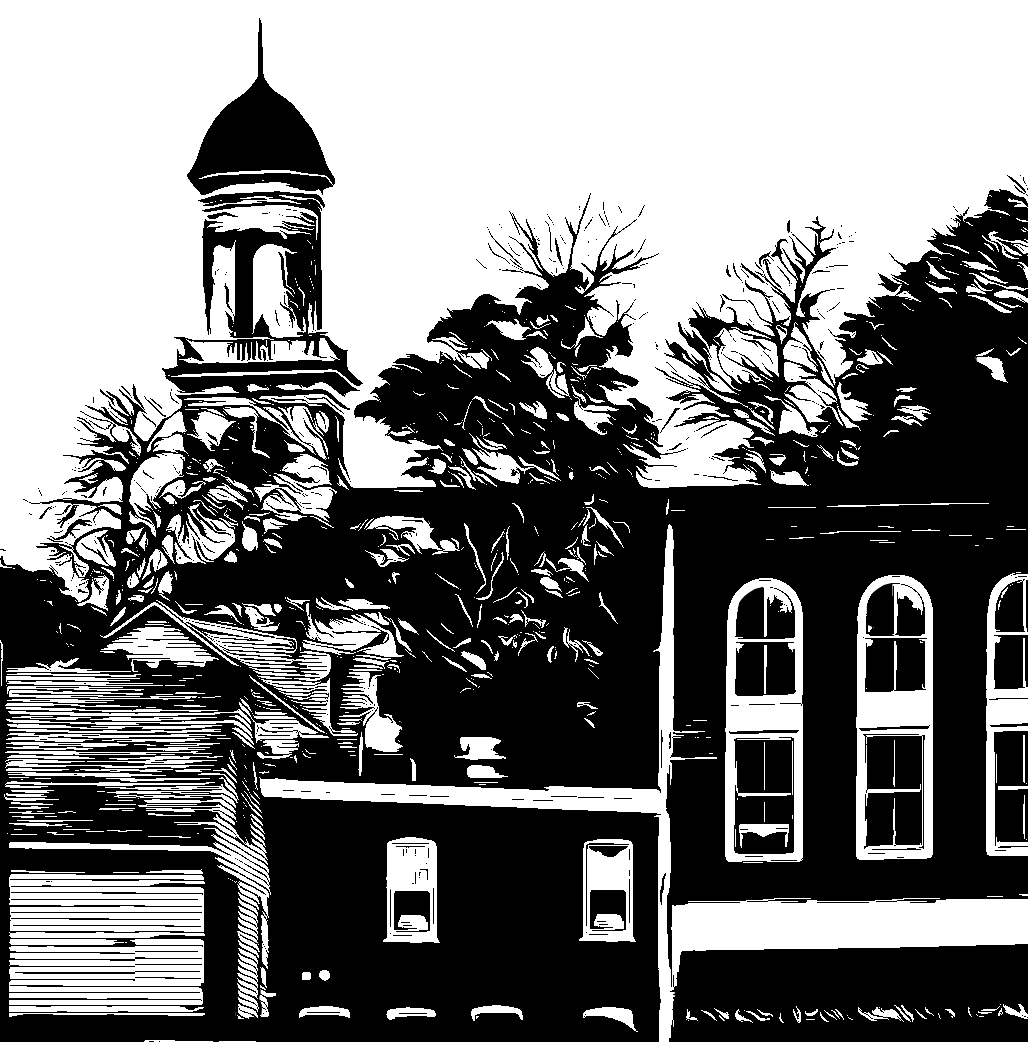
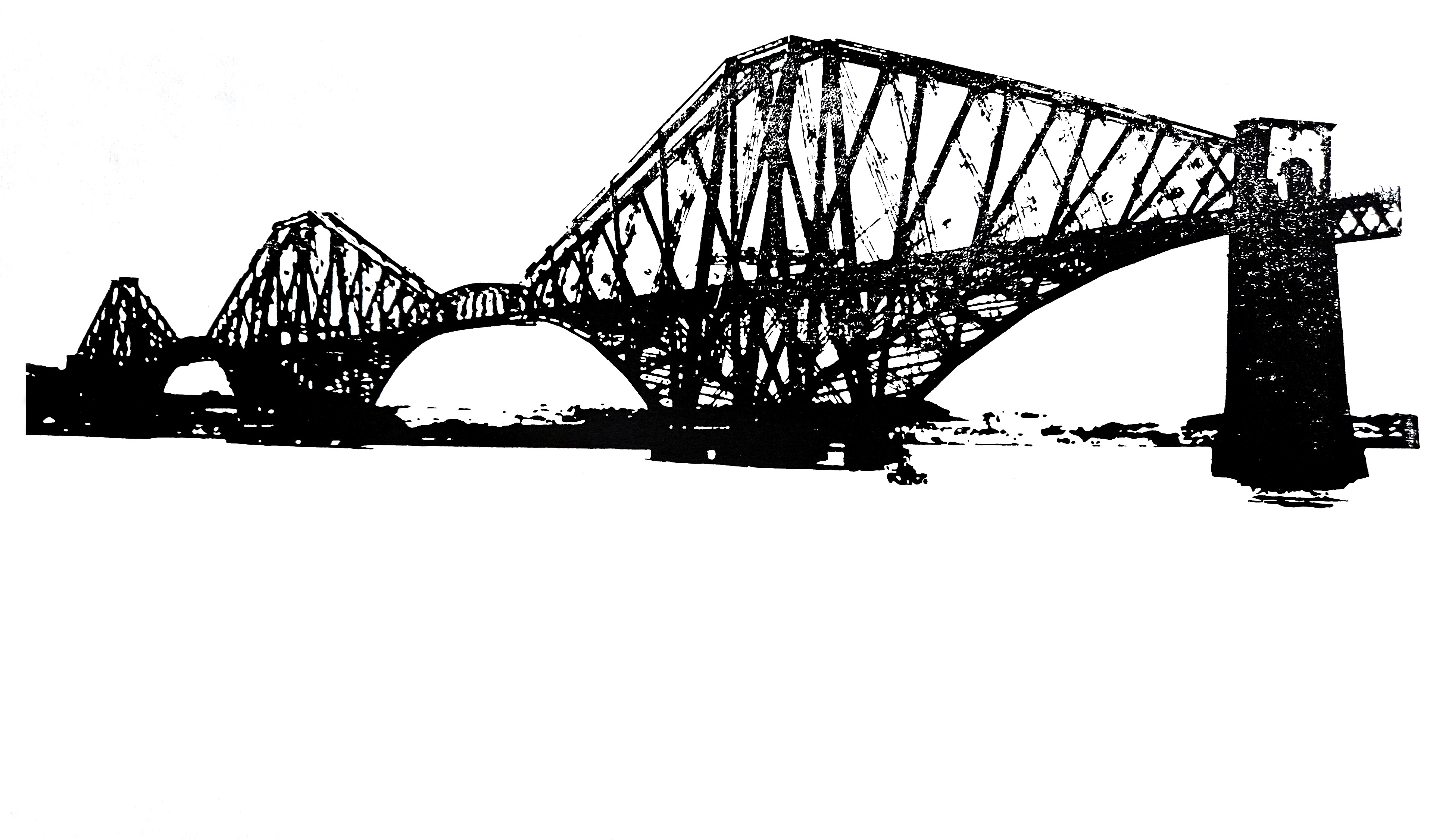
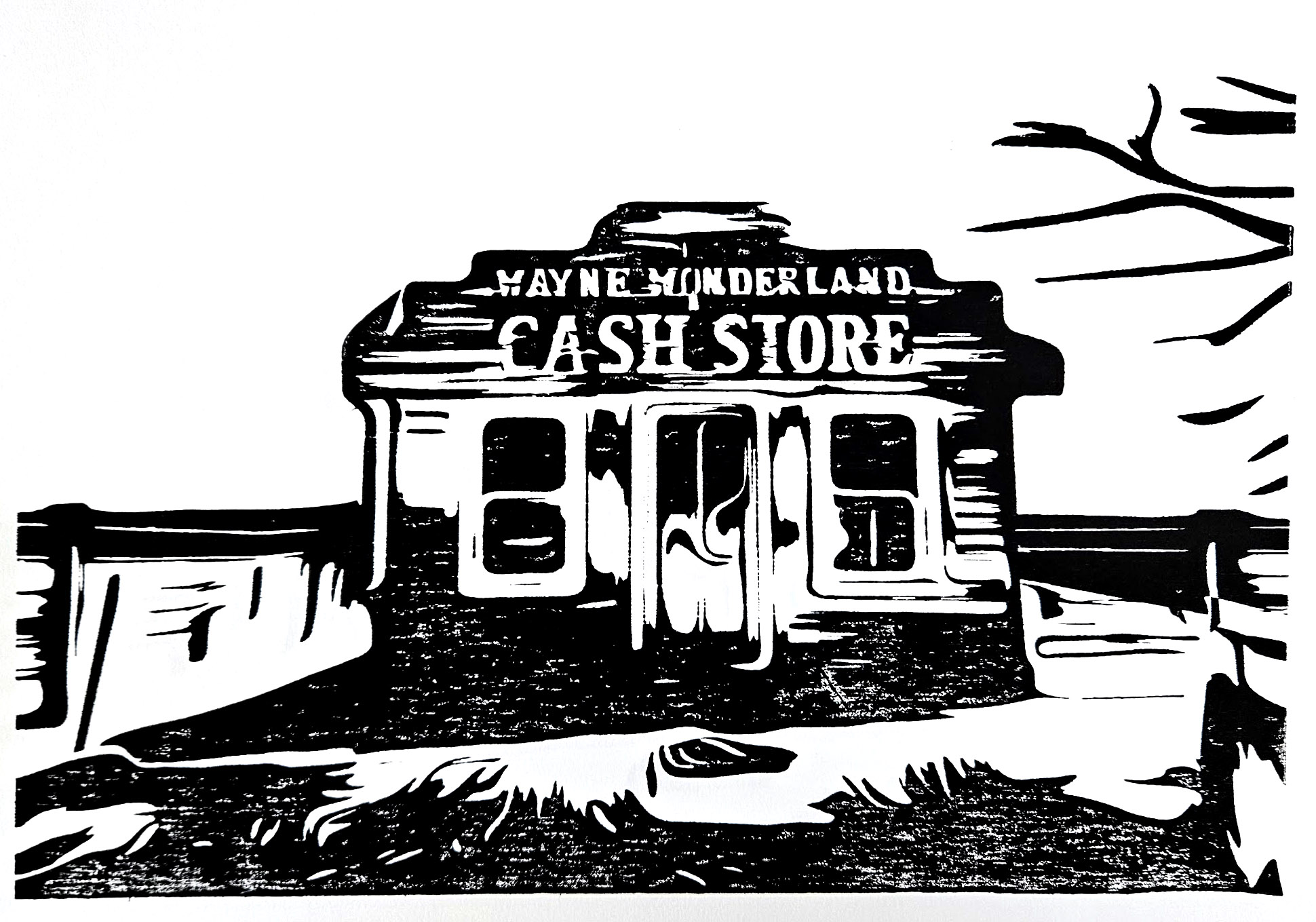
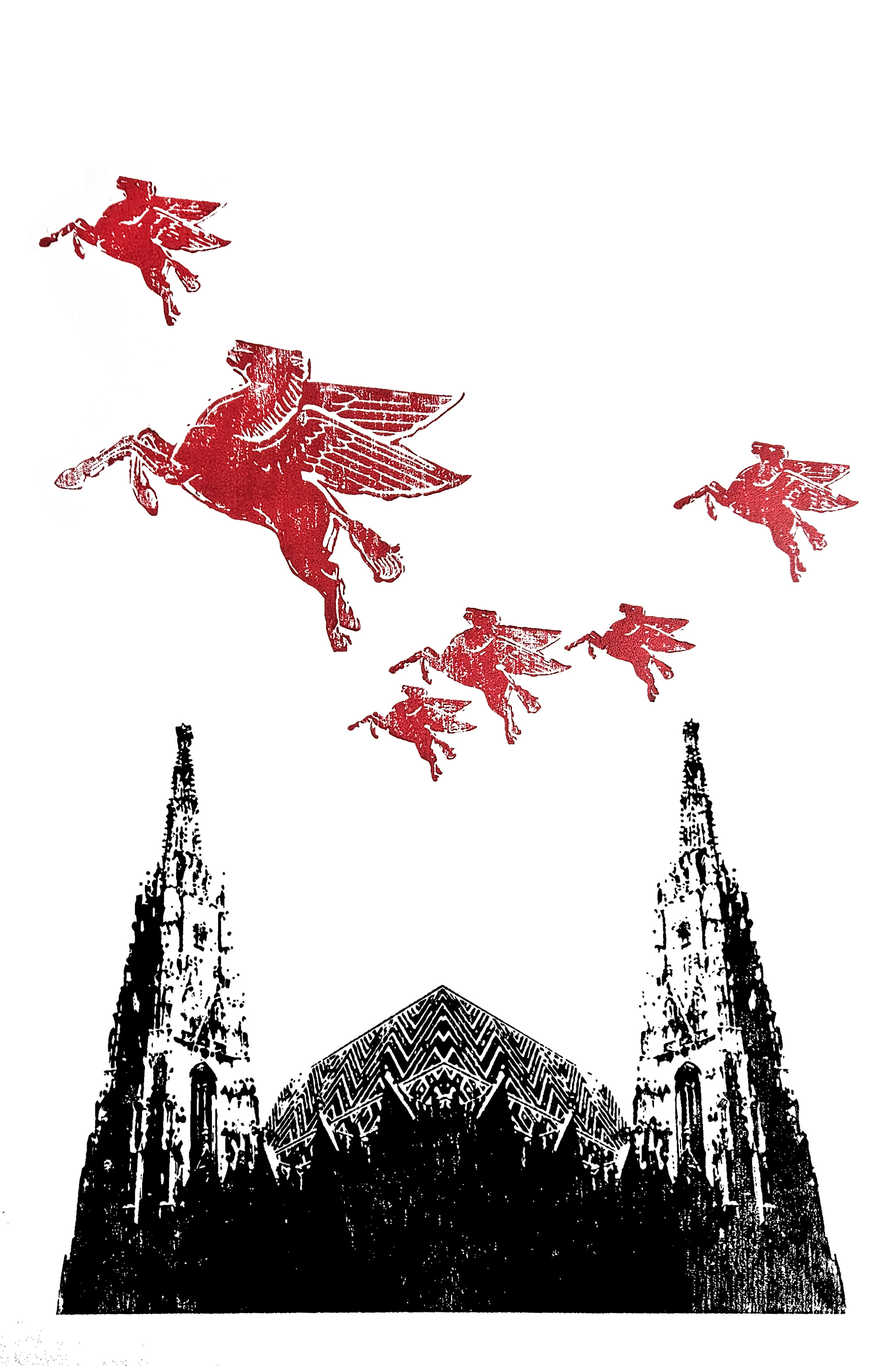
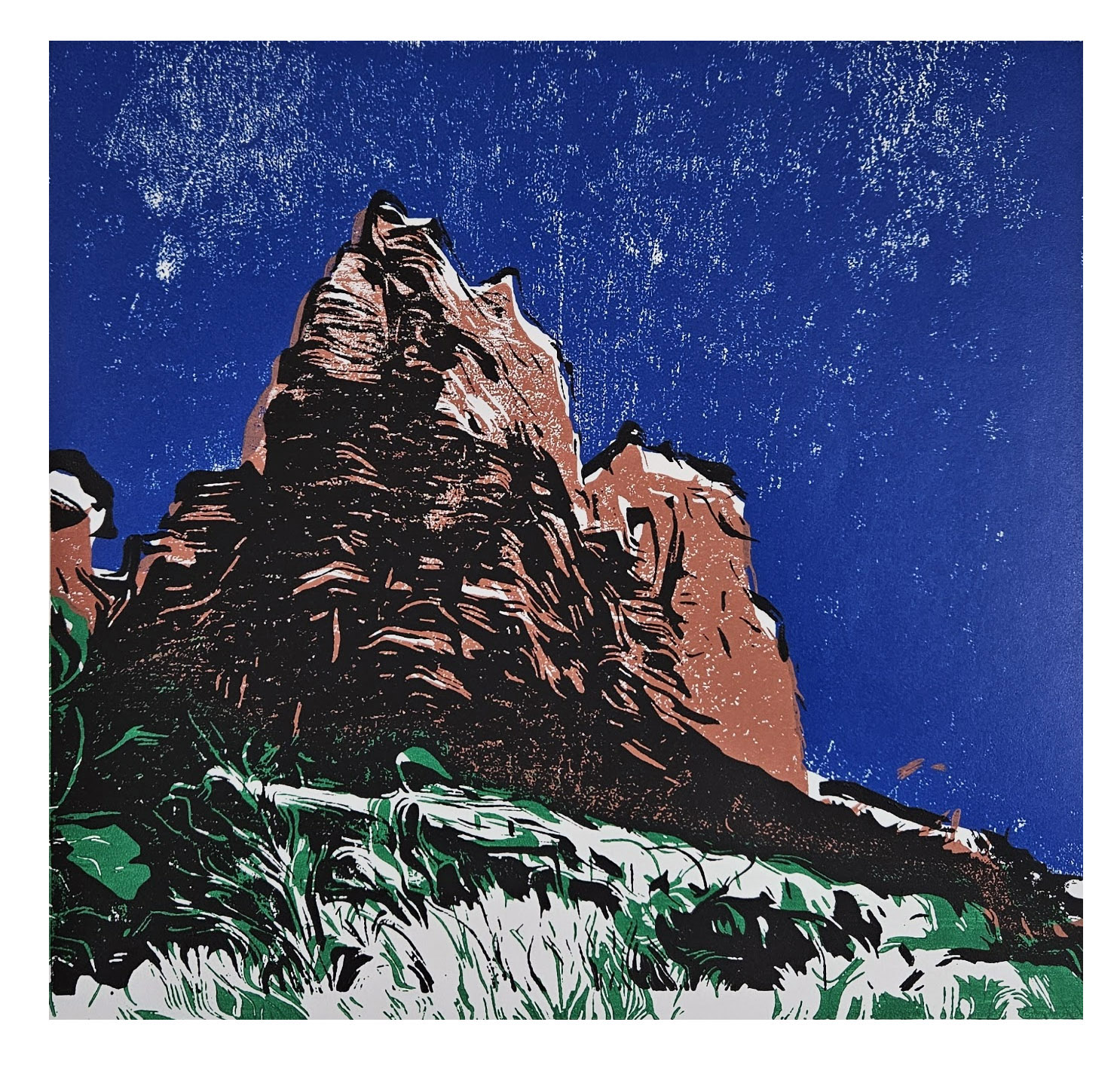
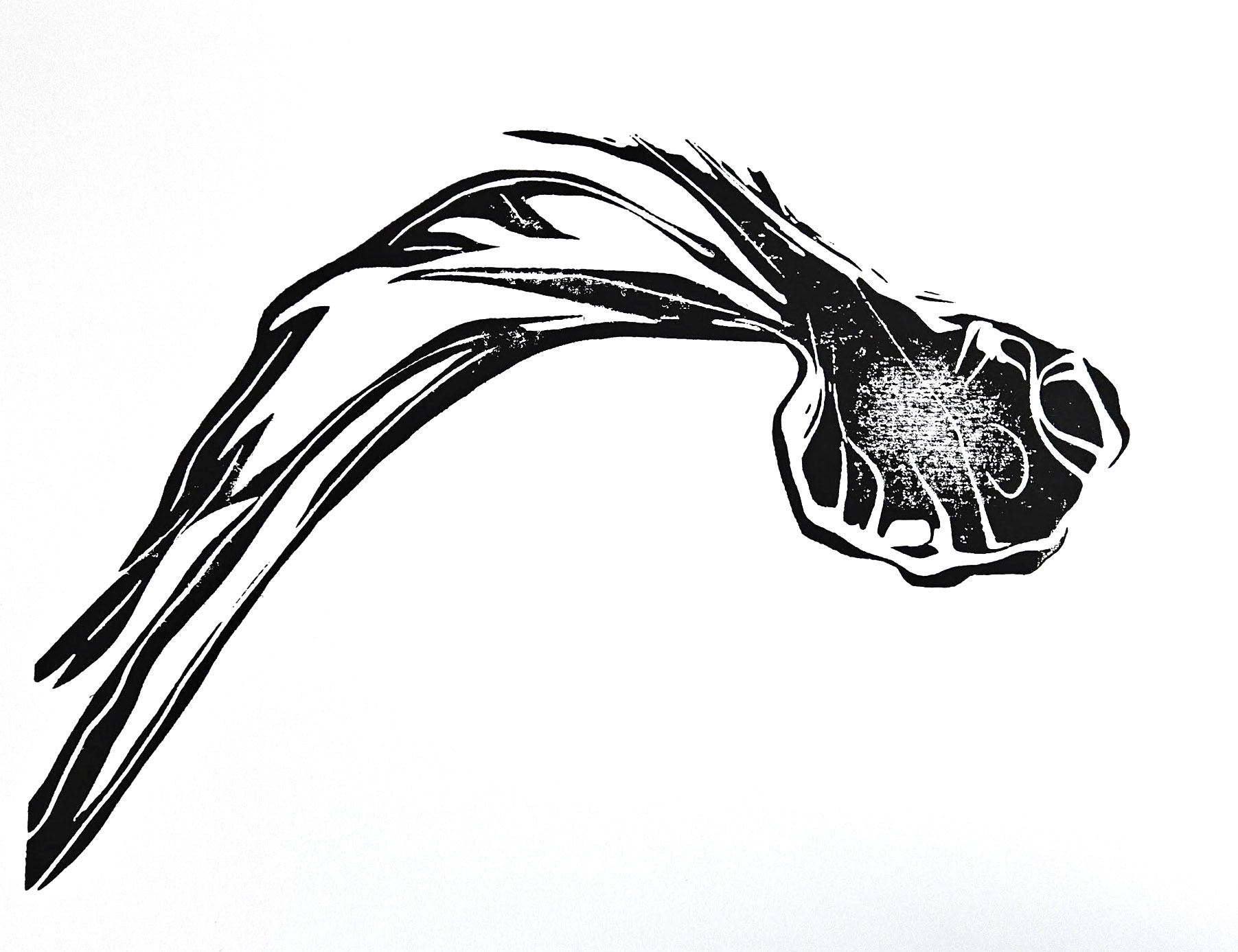
I have been experimenting with printmaking in various ways. First, I am using my photographs as well as pen and ink drawings, and transforming them into wood block print style works using digital techniques.
Then using a combination of CNC laser cutting and hand carving, the wood blocks are created using 1/2″ Baltic birch plywood. For multiple color prints, I use the laser to cut 1/4″ diameter registration holes in the same spot for each color block. Then, using Ternes Burton pins and tabs and a special homegrown jig, register each color as they are printed.
My biggest challenges have been analog, not digital. Getting the right inks was a big challenge. Switching to Cranfield Caligo Safewash Inks made a huge difference for me. They stay the same consistency long enough to get through a print set, are easy to thin with their Safewash Oil, and are easy to clean up with soap and water even though they are oil-based. Being linseed oil based and non-toxic is a big deal.
Next challenge was drying. The oil based inks dry in three stages – absorption, oxidation and polymerization — meaning they take a long time. It turns out that paper choice is super important. Finding paper made with no sizing, 100% cotton, acid free, with more random, broken fiber strands and with enough thickness is all key. Saint Cuthbert printmaking papers are a good choice.
Then learning some tricks like letting the prints get tacky (not wet) and sprinkling them with a bit of arrowroot, corn starch or pure food grade calcium carbonate. Chalk of the modern type is often made from less pure gypsum (calcium sulphate) and can cause issues with prints. But calcium carbonate both absorbs the wet ink and jumpstarts the oxidation process.
Now it feels like all the most basic “figuring it out” is done and I can get more serious about printmaking.
So I have decided to take the plunge and start doing etchings using an intaglio press. The press is very different and after failing to find a nice used one, I purchased a new Stark 16×30 etching press from two brothers in New Jersey who build them from scratch, per order.
It took some research for me to start etching because the chemicals, acids, rosin, asphaltum, and solvents, are really pretty toxic. I got serious when I found some books on non-toxic printmaking. Basically, there are now non-toxic grounds (the liquid that keeps the metal plates from being etched, and you no longer have to use acid – zinc etches quite nicely in a solution of table salt and copper sulphate, both pretty benign. And the grounds wash up with non-toxic cleaners. On top of that, there are many inks that now are non-toxic and wash up with water, even though they are oil based and give you great results.